
Table of Contents
ToggleDukan Diet vs Keto: Which Is Better for Weight Loss? (2026)
Key takeaways
- Both are low-carb, but Dukan relies on lean protein to burn fat while Keto relies on high fat.
- Dukan gives faster early results (about 4–7 lbs in week one); Keto delivers steadier loss once ketosis kicks in.
- Dukan is low-fat and phase-based; Keto is high-fat, continuous, and requires tracking macros.
- Dukan suits short-term structured weight loss; Keto suits longer-term fat metabolism — both need a doctor's okay if you have a medical condition.
When it comes to fast weight loss, two diets dominate the conversation in the United States: the Dukan Diet and the Keto Diet. Both promise quick results, both limit carbs, and both have loyal followers who swear by them.
But beneath the surface, they take very different routes to the same goal — fat loss. One relies on structured protein phases; the other pushes your body into ketosis, a state where it burns fat for fuel.
If you’re trying to choose between them, this guide explains how each plan works, what the research says, and which is safer and more sustainable for your lifestyle.
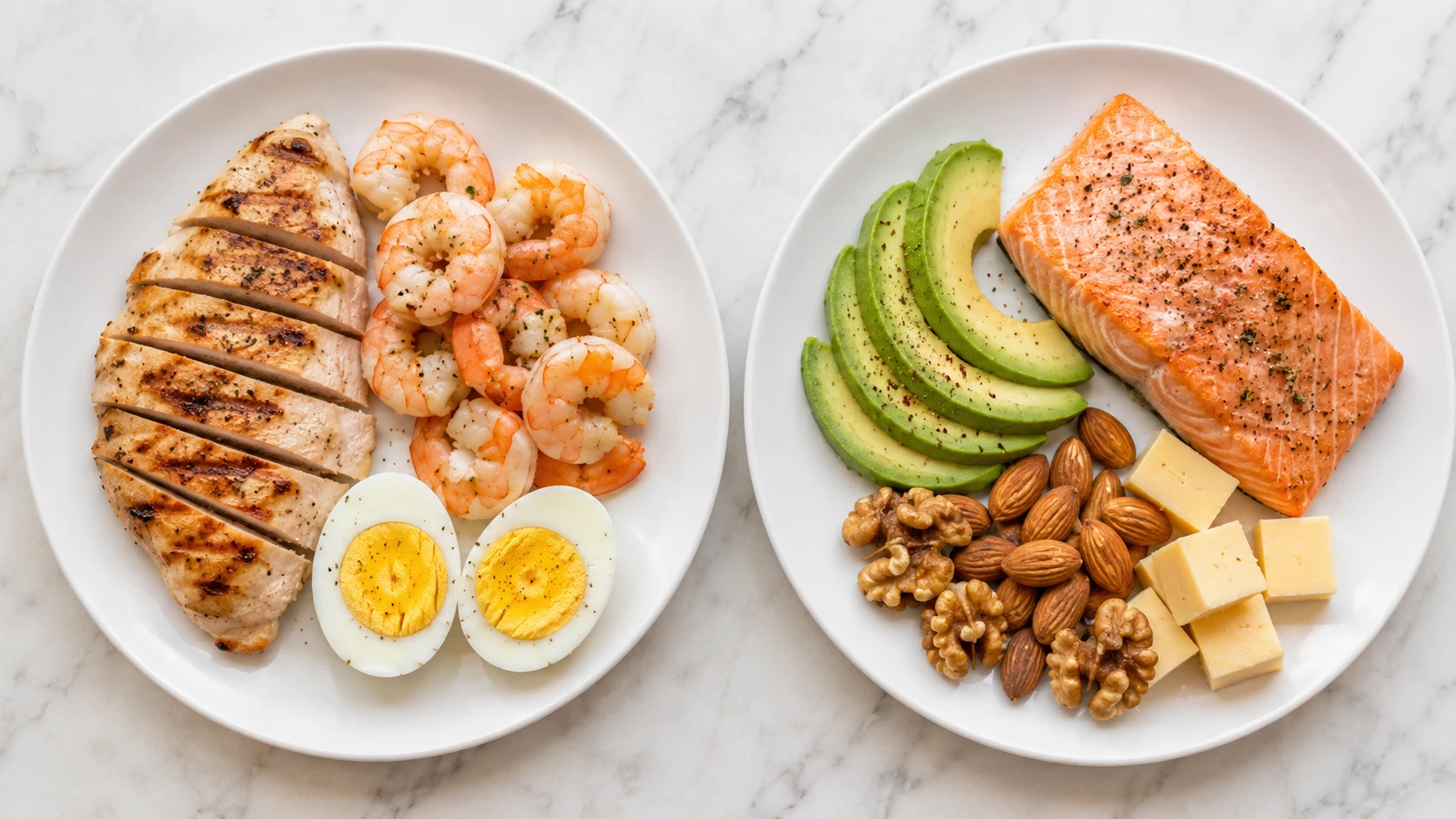
What Is the Dukan Diet?
The Dukan Diet was created by French physician Dr. Pierre Dukan. It’s a high-protein, low-carb plan that doesn’t require calorie counting. Instead, it follows a structured four-phase system designed to help you lose weight quickly and then maintain it.
In short, the four phases are the Attack Phase (lean protein only, 1–7 days), the Cruise Phase (alternating protein-only and protein-plus-vegetable days), the Consolidation Phase (slowly reintroducing fruit, bread, cheese, and starches), and the Stabilization Phase (long-term maintenance with one pure-protein day per week). For the complete plan, see our full Dukan Diet 7-day meal plan.
Most people lose roughly 4–7 pounds in the first week, largely due to reduced carbs and water weight. The structure appeals to people who like clear rules and quick feedback — though it’s often criticized for being restrictive and low in healthy fats.
What Is the Keto Diet?
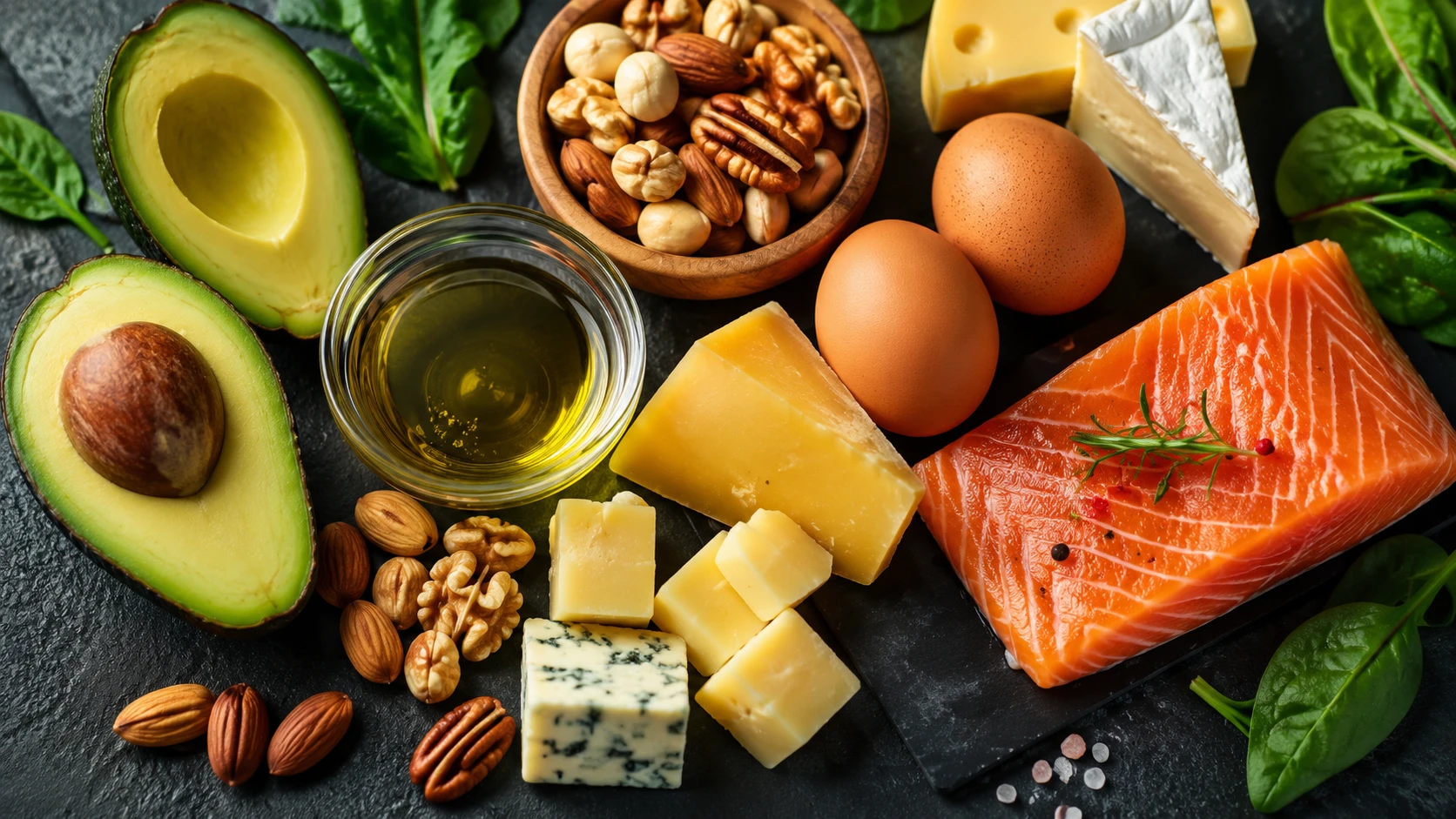
The Keto (ketogenic) diet is a high-fat, moderate-protein, very low-carb plan that trains your body to burn fat instead of glucose. When carb intake drops below about 50 grams per day, the liver converts fat into ketones, which become your main fuel — a state known as ketosis.
Keto macros (typical):
- Carbs: 5–10% of daily calories
- Protein: 20–25%
- Fats: 70–75% (olive oil, avocado, butter, nuts)
Keto can be effective for short-term fat loss and appetite control, but many people struggle to maintain it because of the strict carb limit and side effects like the “keto flu” (fatigue, headaches, irritability).
Dukan vs Keto: Core Differences
| Aspect | Dukan Diet | Keto Diet |
|---|---|---|
| Main focus | Lean protein | Healthy fats |
| Carb limit | Low | Very low (under 50g/day) |
| Fat intake | Very low | High |
| Structure | 4 phases | Continuous ketosis |
| Weight-loss speed | Very fast initially | Steady, consistent |
| Tracking | Minimal | High (macros, ketones) |
| Sustainability | Moderate | Often hard long-term |
Both limit carbs, but Dukan relies on protein to burn fat, while Keto relies on fat to fuel the body.
How Each Affects Weight Loss and Energy
Dukan Diet: the first week shows quick results because cutting carbs drops water weight fast. High protein preserves lean muscle and keeps you full, though energy may dip during the Attack Phase due to limited fats.
Keto Diet: weight loss is slower at first but becomes steady once ketosis kicks in. Keto often improves focus and sustained energy for some people, while others experience fatigue or nutrient imbalances if it isn’t planned well.
What Do Studies Say?
Research on low-carb and high-protein diets consistently shows significant short-term weight loss with both approaches. Keto diets often show stronger long-term fat oxidation, while Dukan tends to be more effective for rapid initial loss.
In real-world terms, Dukan users often lose 5–10 pounds in the first two weeks, while Keto followers may lose 2–4 pounds weekly after entering ketosis. Both work — the difference lies in how long you can stick to them.
7-Day Dukan vs Keto Meal Plan
| Day | Dukan Sample | Keto Sample |
|---|---|---|
| 1 | Egg-white omelet with turkey | Scrambled eggs with avocado and cheese |
| 2 | Grilled chicken + Greek yogurt | Bacon and eggs + butter coffee |
| 3 | Tuna salad with spinach | Chicken thigh with olive oil dressing |
| 4 | Shrimp stir-fry (protein-only day) | Salmon with broccoli in butter |
| 5 | Turkey sandwich (whole wheat, Phase 3) | Bunless beef burger with cheese |
| 6 | Celebration meal (pizza or pasta) | Cauliflower-crust pizza with mozzarella |
| 7 | Balanced protein + veggies | Steak with green beans and butter sauce |
This shows Dukan’s structured meal evolution versus Keto’s constant high-fat approach.
Pros and Cons of Dukan vs Keto
| Diet | Pros | Cons |
|---|---|---|
| Dukan | Quick early loss, clear rules, no calorie tracking | Restrictive, low fat, possible constipation |
| Keto | Stable energy, effective fat burning | Hard to maintain, can raise cholesterol if fats are unbalanced |
Which Is Safer and More Sustainable?
Both can deliver results — safety depends on how they’re followed.
Dukan is safer for short-term, fast weight loss, but its lack of healthy fats may affect hormonal balance long-term. Keto is effective for long-term fat metabolism, but you must focus on healthy fats (olive oil, nuts, avocado) rather than bacon and butter overload.
High-fat diets can raise LDL cholesterol if not monitored, while very-high-protein diets like Dukan can stress the kidneys if hydration is inadequate. Either way, a nutritionist or doctor should guide you if you have any health conditions.
Dukan vs Keto for Vegetarians
Both diets are traditionally meat-heavy, but vegetarians can adapt them.
- Dukan vegetarian options: tofu, tempeh, seitan, soy protein, egg whites, and nonfat Greek yogurt.
- Keto vegetarian options: avocados, nuts, coconut oil, cheese, eggs, and low-carb vegetables.
For plant-forward eaters, Keto is slightly easier to adapt since it allows fats and oils that are naturally vegetarian-friendly.
Expert Verdict — Which Should You Choose?
If you want rapid weight loss with clear structure and a short-term focus, go with Dukan. If you want steady energy, better long-term fat metabolism, and more flexibility, choose Keto.
Many nutrition experts suggest a balanced middle ground — taking the structure from Dukan and the healthy fats from Keto — may be the smartest way to see results without feeling deprived.
Final Thoughts
Both the Dukan Diet and the Keto Diet can help you lose weight, but success depends on your body, lifestyle, and ability to stick to the plan. Dukan shines if you need a strict, phase-based approach and quick motivation. Keto works if you prefer flexibility, high-fat foods, and sustainable energy. In the end, the best diet isn’t the most popular one — it’s the one you can live with long enough to see lasting results.
Frequently Asked Questions
Is the Dukan Diet better than Keto for fast results?
Usually yes — Dukan tends to show faster results in the first 1–2 weeks because it eliminates carbs completely and uses protein to shed water weight quickly.
Which is easier to maintain, Dukan or Keto?
Dukan becomes more flexible after Phase 2, which many find easier long-term. Keto stays strict throughout, so it can be harder to sustain.
Can you switch from Keto to Dukan or vice versa?
Yes, but transition gradually to avoid energy crashes, and ideally with guidance from a nutritionist.
Which diet is healthier for your heart?
Both can be heart-healthy if done right — Dukan by staying hydrated and not overdoing protein, Keto by choosing unsaturated fats over bacon and butter.
Are these diets safe for everyone?
No. People with kidney, liver, or heart conditions, diabetics, and pregnant or breastfeeding women should consult a doctor first.
Sources & References
1. Batch JT, et al. Advantages and Disadvantages of the Ketogenic Diet. Cureus. 2020;12(8):e9639.
→ pubmed.ncbi.nlm.nih.gov/32923239
2. Mansoor N, et al. Effects of low-carbohydrate diets v. low-fat diets on body weight and cardiovascular risk factors. Br J Nutr. 2016;115(3):466–479.
→ pubmed.ncbi.nlm.nih.gov/26768850
3. NIH. Ketogenic Diet. National Library of Medicine — StatPearls.
→ ncbi.nlm.nih.gov/books/NBK499830
4. Harvard Health. Should you try the keto diet? Harvard Medical School.