
Table of Contents
ToggleDukan Diet Food List: What to Eat & Avoid in Each Phase (2026)
Key takeaways
- Lean protein is unlimited in every phase and forms the base of the entire Dukan food list.
- Vegetables join in the Cruise Phase; fruit, cheese, and starches return later in Consolidation.
- Oat bran is mandatory daily — from 1.5 tbsp in Attack up to 3 tbsp in Stabilization.
- Avoid bread, pasta, oils, nuts, sugar, and all fruit in the early phases.
The Dukan Diet is one of the most popular high-protein, low-carb weight-loss plans in the United States — especially for people who want fast results without counting calories. But the diet lives or dies by one thing: knowing exactly what to eat in each phase.
Unlike keto, the Dukan Diet is high-protein and low-fat, and the food list expands as you move through the four phases. Get the list right and the plan feels simple. Get it wrong — say, adding cheese or fruit too early — and your progress quietly stalls.
This is your complete, phase-by-phase food list, written for real U.S. grocery shopping. For how these foods come together day by day, pair it with our complete Dukan Diet 7-day meal plan.
How the Dukan Diet Food List Works
The diet is built on three ideas:
- Lean protein is the foundation of every phase.
- Foods are added gradually — vegetables in Cruise, then fruit and starches later.
- Oat bran is mandatory every single day, with the amount rising as you progress.
That structure is the whole point. You’re not guessing — you’re following a list that changes on a schedule.
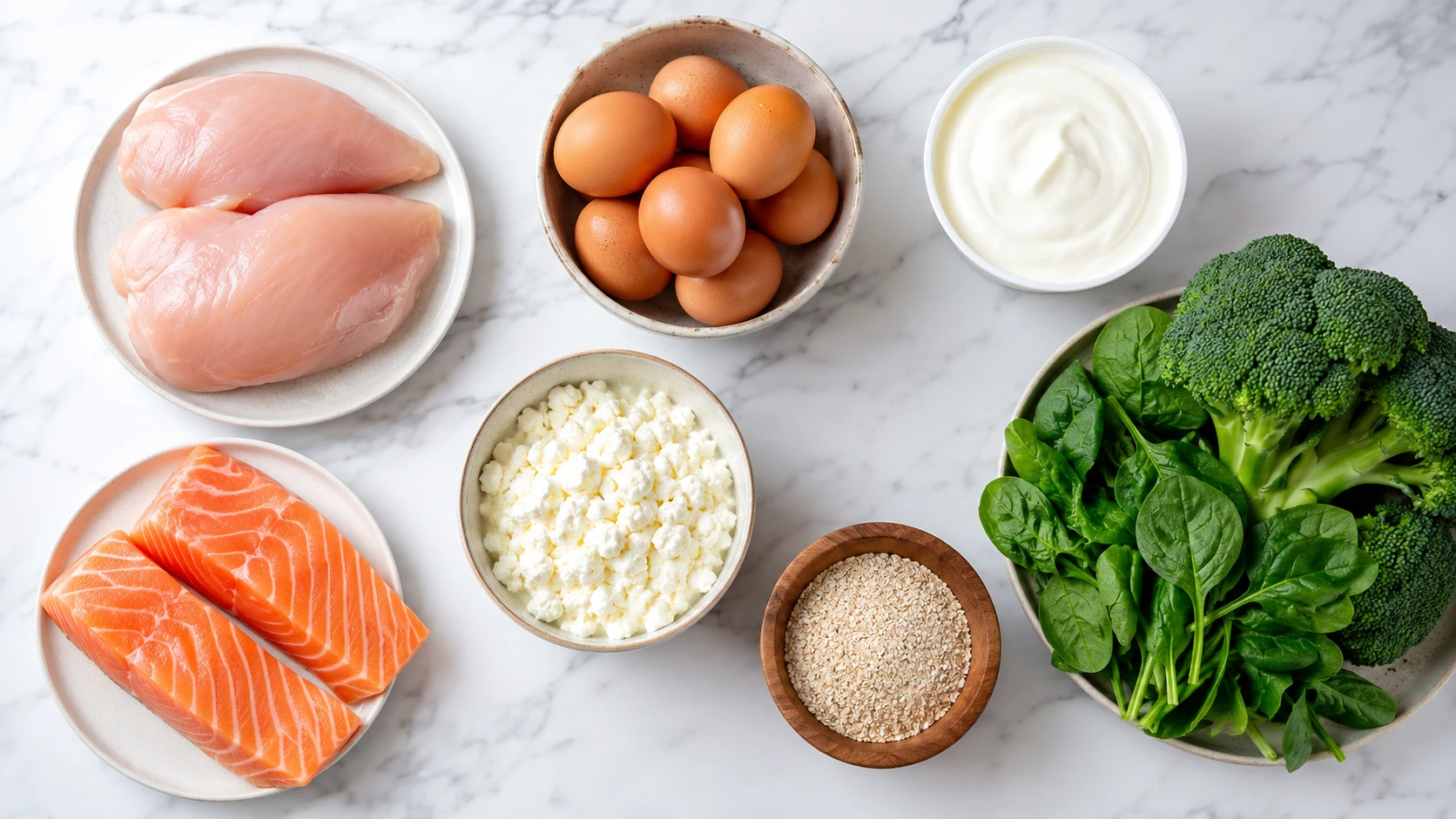
Lean Proteins (Allowed in All Phases)
Lean protein is unlimited and forms the core of every meal.
- Skinless chicken breast and turkey breast
- Lean beef — sirloin, tenderloin, top round
- Pork tenderloin (fat trimmed)
- White fish — cod, tilapia, halibut, haddock
- Fatty fish — salmon, mackerel (small portions)
- Shrimp, crab, lobster, scallops
- Eggs and egg whites
Why protein leads: it curbs appetite, supports metabolism, preserves muscle during weight loss, and keeps you full far longer than carbs.
Nonfat Dairy (0% Fat Only)
- Fat-free Greek yogurt
- Nonfat cottage cheese
- Skim milk
- Sugar-free, fat-free yogurt
- Skim-milk ricotta
Skip flavored yogurts — they hide added sugar that slows results.
Plant-Based Proteins (Vegetarian-Friendly)
- Tofu, tempeh, seitan
- Unsweetened soy protein
- Vegan protein powder (no added sugar)
Note: beans, lentils, and chickpeas are too high in carbs for the early phases.
Vegetables (From the Cruise Phase Onward)
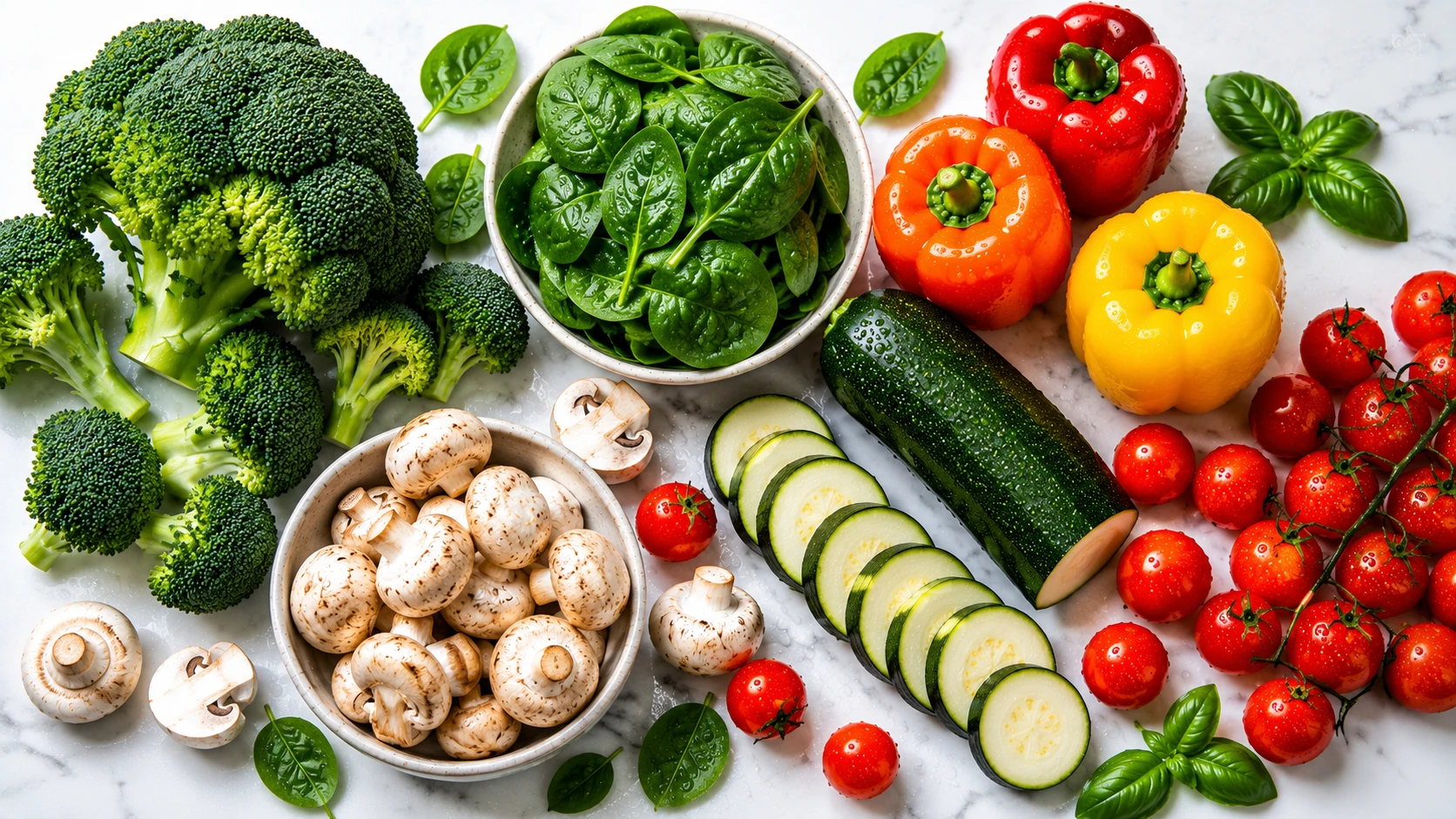
Non-starchy vegetables enter in the Cruise Phase. They add fiber, ease the constipation that high-protein diets can cause, and make meals more satisfying. For how to rotate them with protein days, see how vegetables fit in the Cruise Phase.
Allowed: spinach, broccoli, cauliflower, zucchini, mushrooms, bell peppers, tomatoes, cabbage, asparagus, cucumber, eggplant, onions (limited).
Not allowed: potatoes, corn, peas, sweet potatoes (these are starchy).
Oat Bran (Mandatory Every Day)
| Phase | Daily Oat Bran |
|---|---|
| Attack | 1.5 tbsp |
| Cruise | 2 tbsp |
| Consolidation | 2.5 tbsp |
| Stabilization | 3 tbsp |
Oat bran adds fiber, supports digestion, helps control cravings, and contributes to healthy cholesterol levels.
Foods to Avoid in the Early Phases
During the Attack and Cruise phases, leave these off your plate:
- Bread, pasta, rice, potatoes, tortillas, flour products
- Oils, butter, and high-fat cheeses
- Nuts and seeds
- All fruit
- Sugar, honey, desserts, alcohol
- High-fat or processed meats (bacon, sausage)
Many of these return in moderation during the Consolidation Phase — but timing is everything.
Phase-by-Phase Food List at a Glance
| Category | Allowed | Avoid (early phases) |
|---|---|---|
| Proteins | Chicken, turkey, fish, egg whites | Fatty meats, bacon, sausage |
| Dairy | Fat-free yogurt, cottage cheese | Full-fat dairy, regular cheese |
| Vegetables | Broccoli, spinach, zucchini (Cruise on) | Potatoes, corn, peas |
| Fruits | Phase 3 onward only | Bananas, grapes early on |
| Carbs | Whole grains (Phase 3) | Bread, pasta early on |
| Fats | Very limited | Oils, butter, nuts |
| Drinks | Water, tea, black coffee | Soda, alcohol, juice |
Dukan Diet Shopping List (U.S. Grocery Edition)
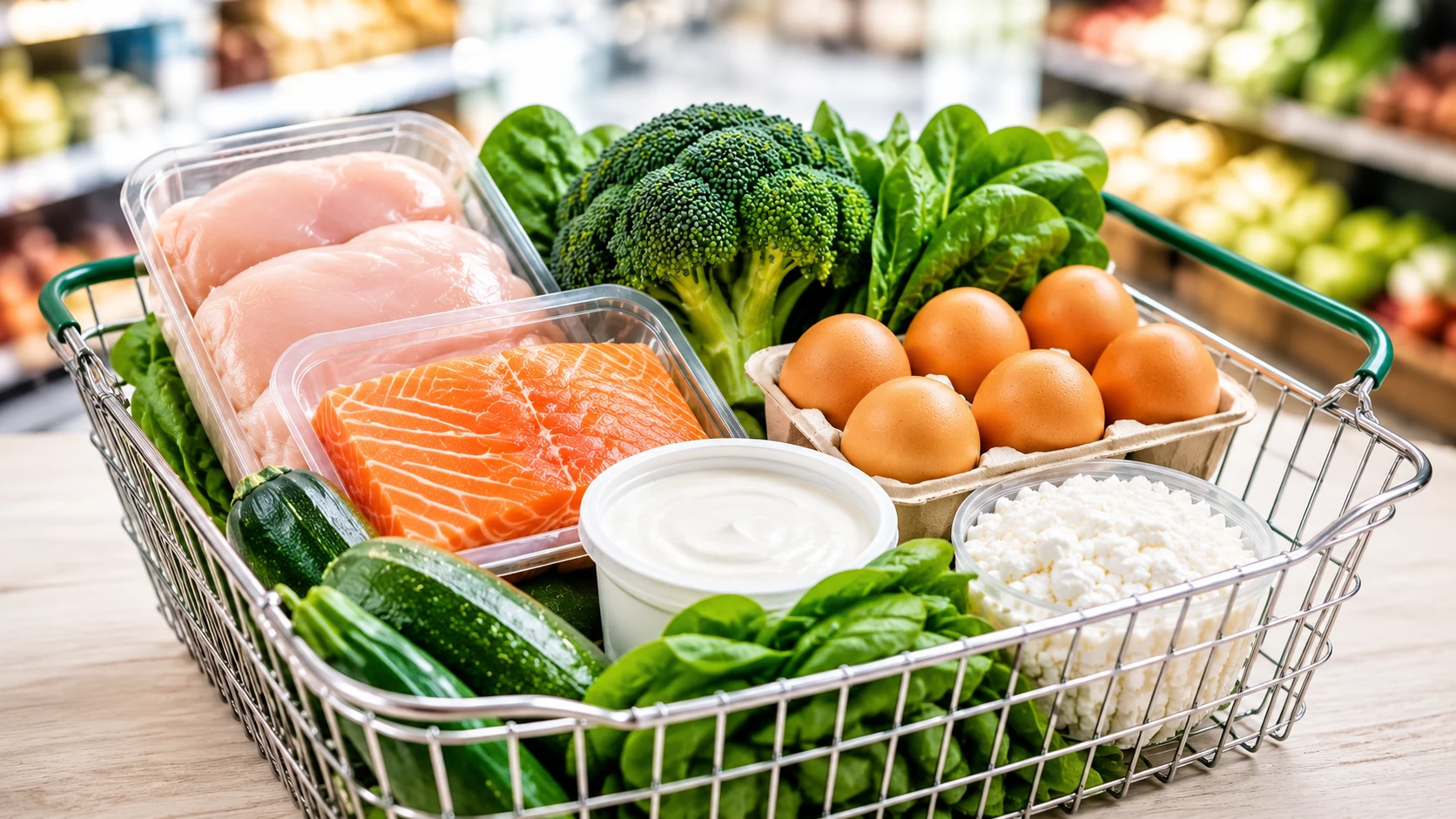
Build your cart from these aisles. For a printable version organized by phase, use our phase-by-phase grocery list.
- Meat: chicken breast, lean ground turkey (93–99%), lean beef cuts, pork tenderloin, skinless rotisserie chicken
- Seafood: salmon, cod, halibut, tuna in water, shrimp, scallops
- Dairy (fat-free only): nonfat Greek yogurt, fat-free cottage cheese, skim milk
- Vegetarian protein: tofu, tempeh, seitan, vegan protein powder
- Pantry: oat bran, egg-white cartons, cooking spray, herbs and spices, sparkling water, sugar-free gelatin
Best Dukan-Friendly Snacks
- Nonfat Greek yogurt
- Boiled eggs or egg whites
- Turkey slices (no added sugar)
- Water-packed tuna pouches
- Nonfat cottage cheese
- Oat bran pancakes
Common Food Mistakes to Avoid
- Cooking with oil — use zero-calorie cooking spray instead.
- Eating flavored yogurt — hidden sugar slows weight loss.
- Adding cheese too early — cheese belongs in Phase 3, not Attack or Cruise.
- Not drinking enough water — high protein means you need more hydration.
- Buying processed meats — hot dogs and sausage add sodium and fat.
For the strictest version of this list, see exactly what the Attack Phase allows.
Final Thoughts
The food list is the heart of the Dukan Diet.
When you know exactly what to buy and eat in each phase, the plan stops feeling like a guessing game — cravings stay controlled, results come faster, and the phases flow into one another smoothly.
Stock your kitchen with the right foods, keep your oat bran and water consistent, and the rest of the diet takes care of itself.
Frequently Asked Questions
What foods can I eat freely on the Dukan Diet?
Unlimited lean protein — chicken, turkey, fish, egg whites, and nonfat dairy.
Are vegetables allowed in the Attack Phase?
No. Vegetables start in the Cruise Phase.
Is cheese allowed on the Dukan Diet?
Only low-fat cheese, and only from the Consolidation Phase onward.
Can I eat fruit on the Dukan Diet?
Yes, but only from the Consolidation Phase, in controlled portions.
Can vegetarians follow the Dukan Diet food list?
Yes — tofu, tempeh, seitan, soy protein, and nonfat dairy provide the needed protein.
Sources & References
- USDA FoodData Central. Nutritional profiles of lean proteins, vegetables, and dairy. — fdc.nal.usda.gov
- Harvard T.H. Chan School of Public Health. The Nutrition Source — Protein. — hsph.harvard.edu
- Leidy HJ, et al. The role of protein in weight loss and maintenance. Am J Clin Nutr. 2015. — pubmed.ncbi.nlm.nih.gov/25926512
- NIH Office of Dietary Supplements. Calcium — Fact Sheet. — ods.od.nih.gov
Sources & References
- USDA FoodData Central. Nutritional profiles of lean proteins, vegetables, and dairy. — fdc.nal.usda.gov
- Harvard T.H. Chan School of Public Health. The Nutrition Source — Protein. — hsph.harvard.edu
- Leidy HJ, et al. The role of protein in weight loss and maintenance. Am J Clin Nutr. 2015. — pubmed.ncbi.nlm.nih.gov/25926512
- NIH Office of Dietary Supplements. Calcium — Fact Sheet. — ods.od.nih.gov