
How Stress Affects Gut Health: Understanding the Gut–Brain Connection

Why Gut Health Deserves Your Attention
Stress has become a constant part of modern life. Tight work schedules, digital overload, irregular sleep, and emotional pressure often feel unavoidable. What many people do not realize is that this ongoing stress does not stay limited to the mind. Over time, it can strongly influence how the digestive system functions.
Bloating during stressful weeks, loss of appetite, stomach discomfort before important events, or irregular bowel movements during emotionally demanding periods are not coincidences. These experiences are increasingly linked to the relationship between stress and gut health.
This article explains how stress affects Gut Health in a clear, research-aware, and practical way. The focus is education, awareness, and long-term balance, not diagnosis, treatment, or quick fixes.
What Is Stress and How Does the Body Respond?
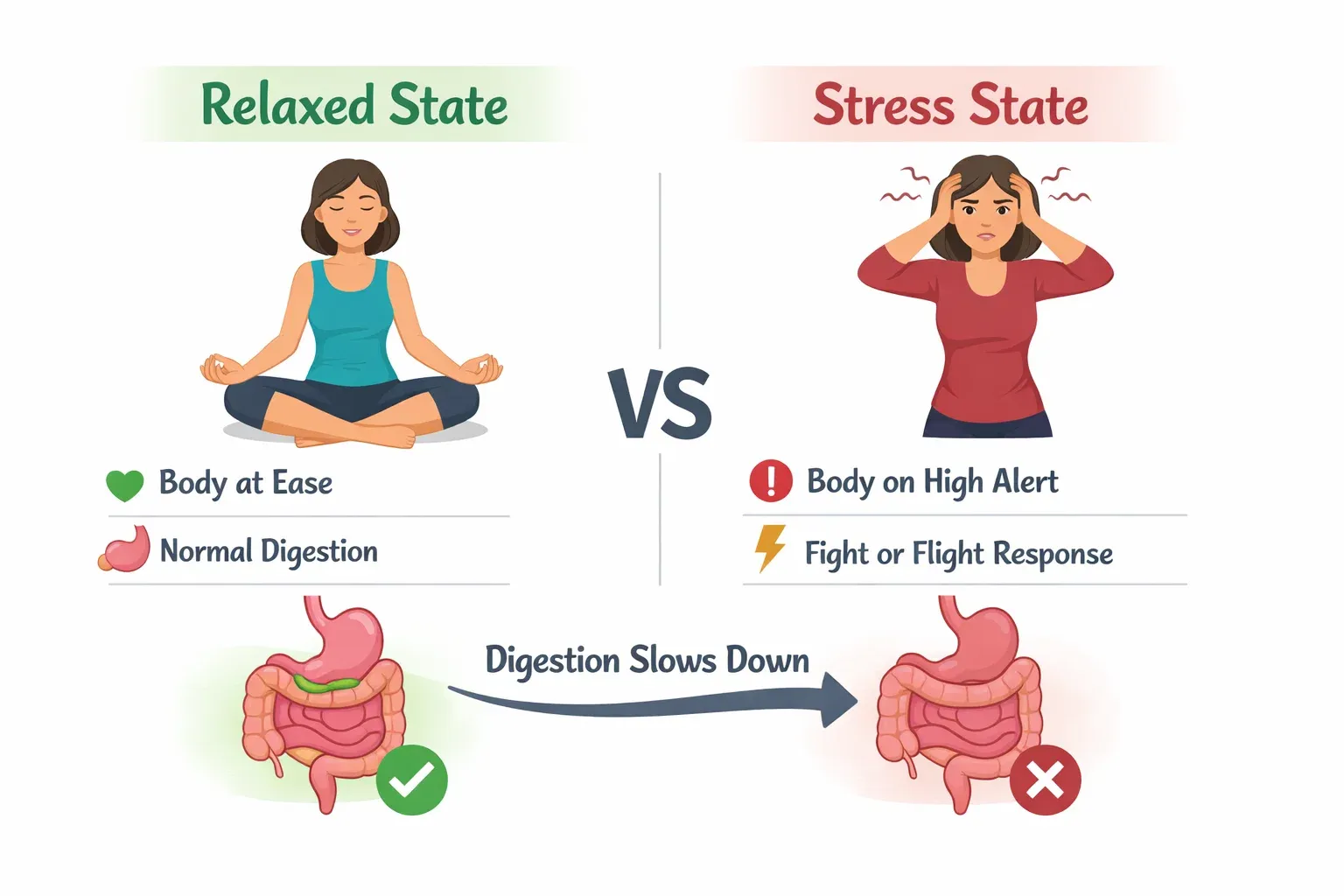
Stress is the body’s natural response to perceived challenges or threats. When the brain senses stress, it activates a survival mechanism often referred to as the fight-or-flight response.
During this response:
Stress hormones such as cortisol and adrenaline are released
Heart rate and breathing increase
Blood flow shifts toward muscles and away from digestion
Non-essential processes, including digestion, slow down
This response is useful in short bursts. However, when stress becomes frequent or chronic, the digestive system may remain in a disrupted state.
The Gut–Brain Axis Explained Simply
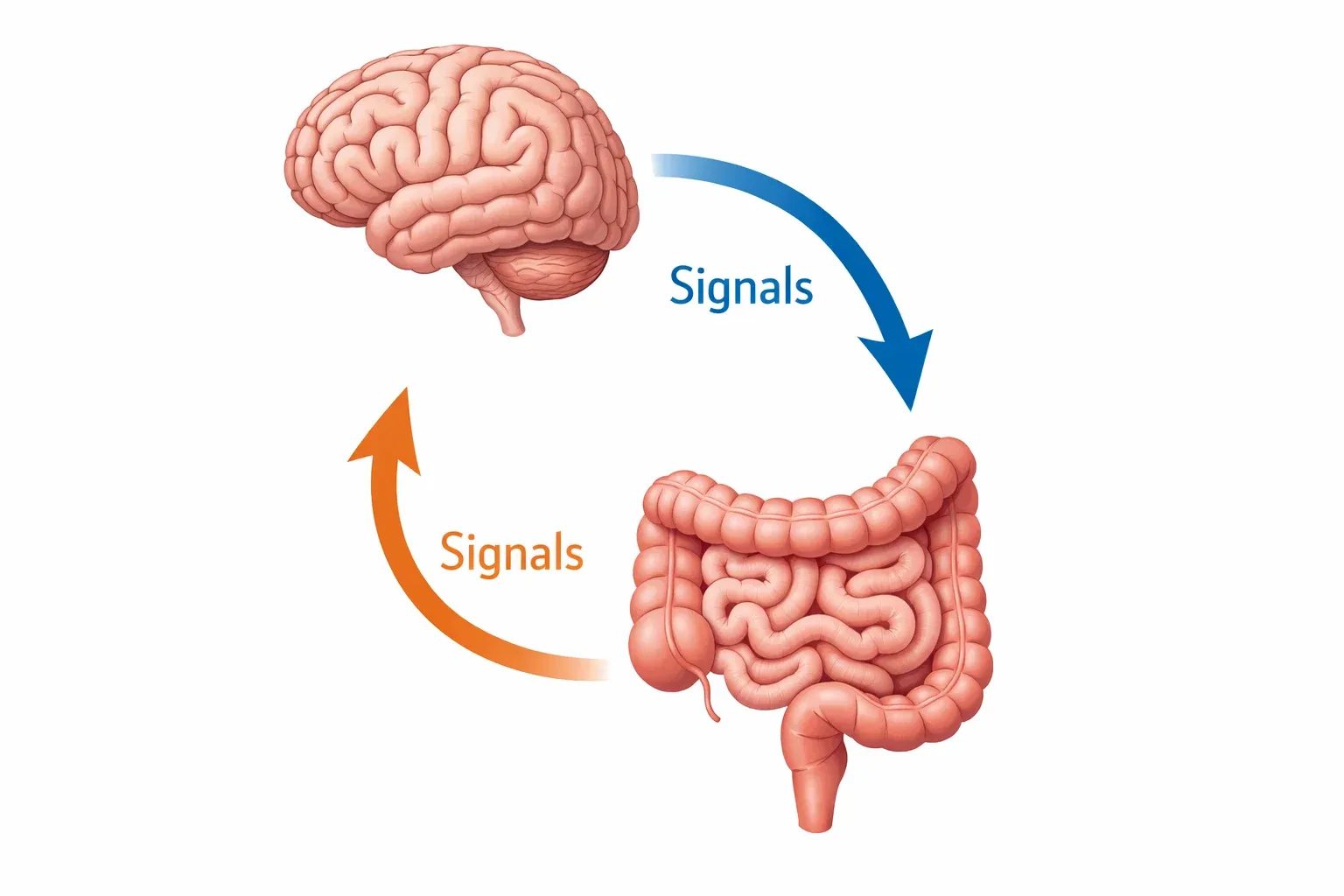
The gut and the brain are in constant communication through a complex network known as the gut–brain axis. This system includes:
The nervous system
Hormones and chemical messengers
Immune signaling pathways
Because of this connection, emotional stress can influence digestive function, and digestive discomfort can also affect mood and mental clarity.
This is why stress often shows up physically as gut discomfort, and ongoing digestive issues can increase feelings of anxiety or irritability.
How Stress Affects Digestion in the Short Term
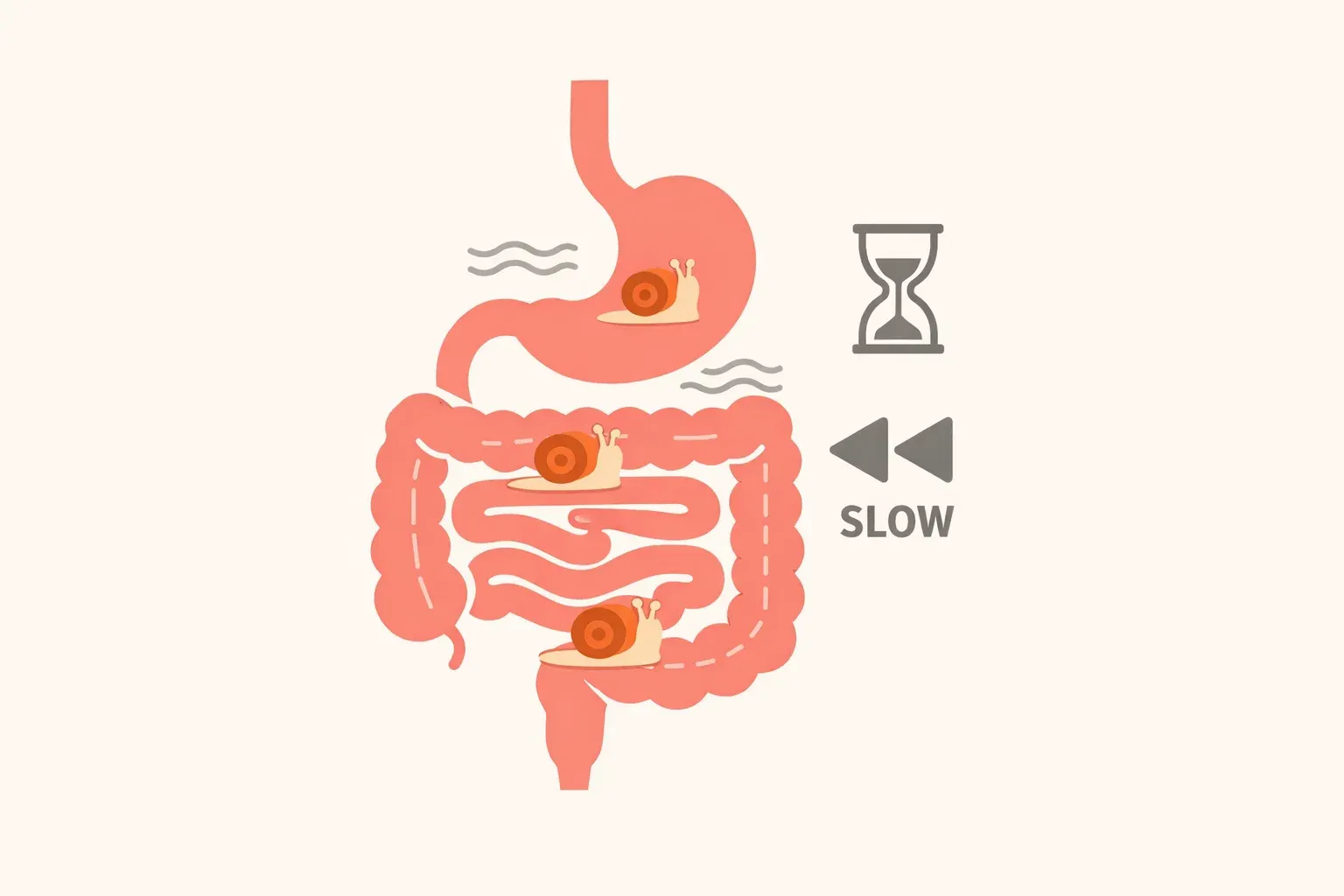
Short-term stress may temporarily disrupt digestion without causing long-lasting damage.
Common short-term effects include:
Slower digestion
Reduced stomach acid production
Changes in appetite
Mild bloating or discomfort
These symptoms often resolve once stress levels decrease. Problems usually arise when stress becomes ongoing.
How Chronic Stress Disrupts Gut Health Over Time
When stress continues for weeks or months, its effects on gut health become more noticeable and persistent.
Changes in Gut Movement and Function
Chronic stress may alter how food moves through the digestive tract. This can result in:
Constipation
Diarrhea
Irregular bowel habits
Digestive rhythm becomes inconsistent, making digestion feel unpredictable.
Impact on Gut Microbiome Balance
The gut microbiome is made up of trillions of microorganisms that support digestion and immune regulation. Research observations suggest that chronic stress may:
Reduce beneficial bacterial diversity
Disrupt microbial balance
Increase vulnerability to gut discomfort
While research is still evolving, the relationship between stress and microbial balance is an active area of scientific study.
Increased Gut Sensitivity
Stress can heighten gut sensitivity, meaning normal digestive processes may feel uncomfortable. This sensitivity may cause:
Cramping
Pressure
Heightened awareness of digestion
Common Gut Symptoms Associated With Stress
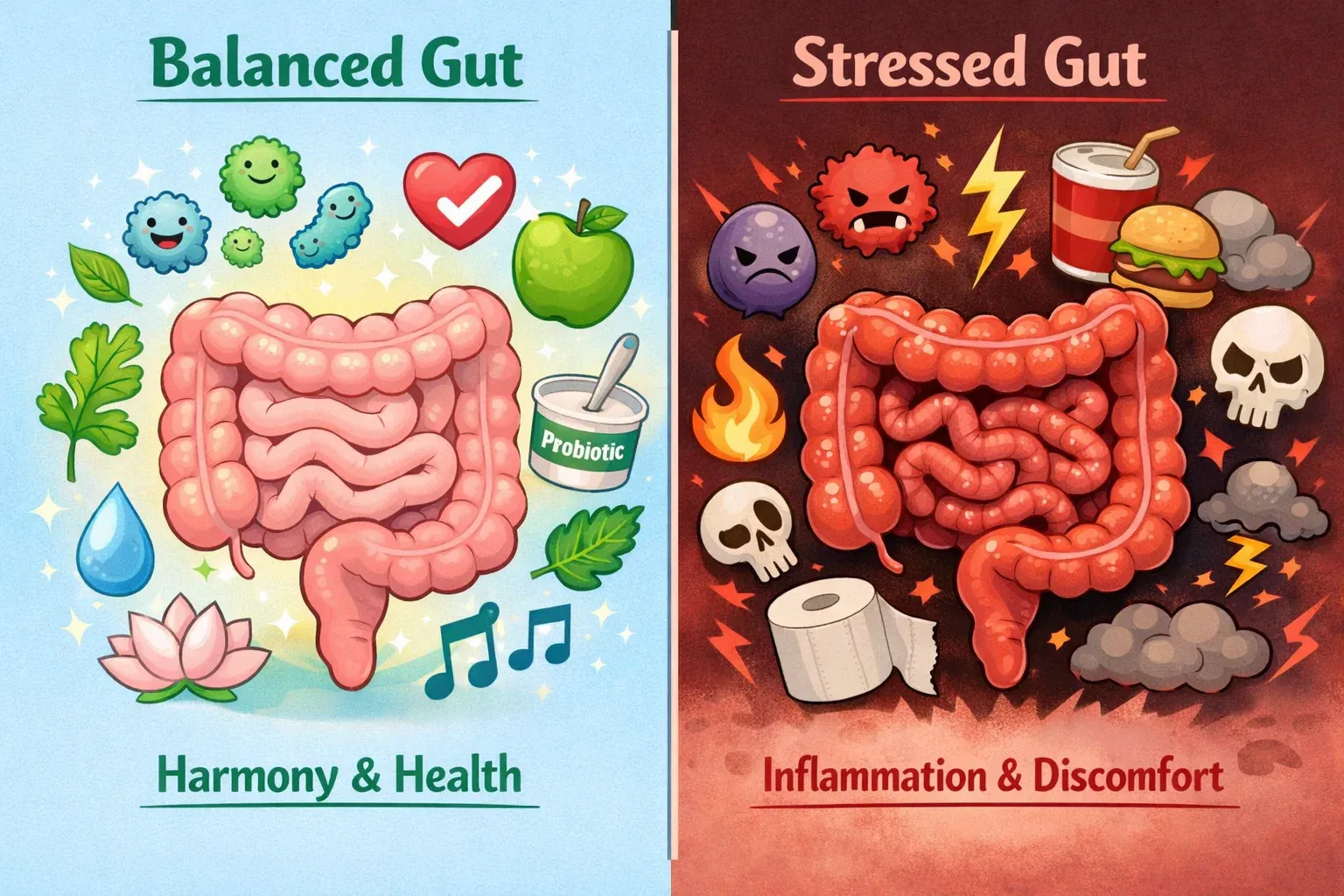
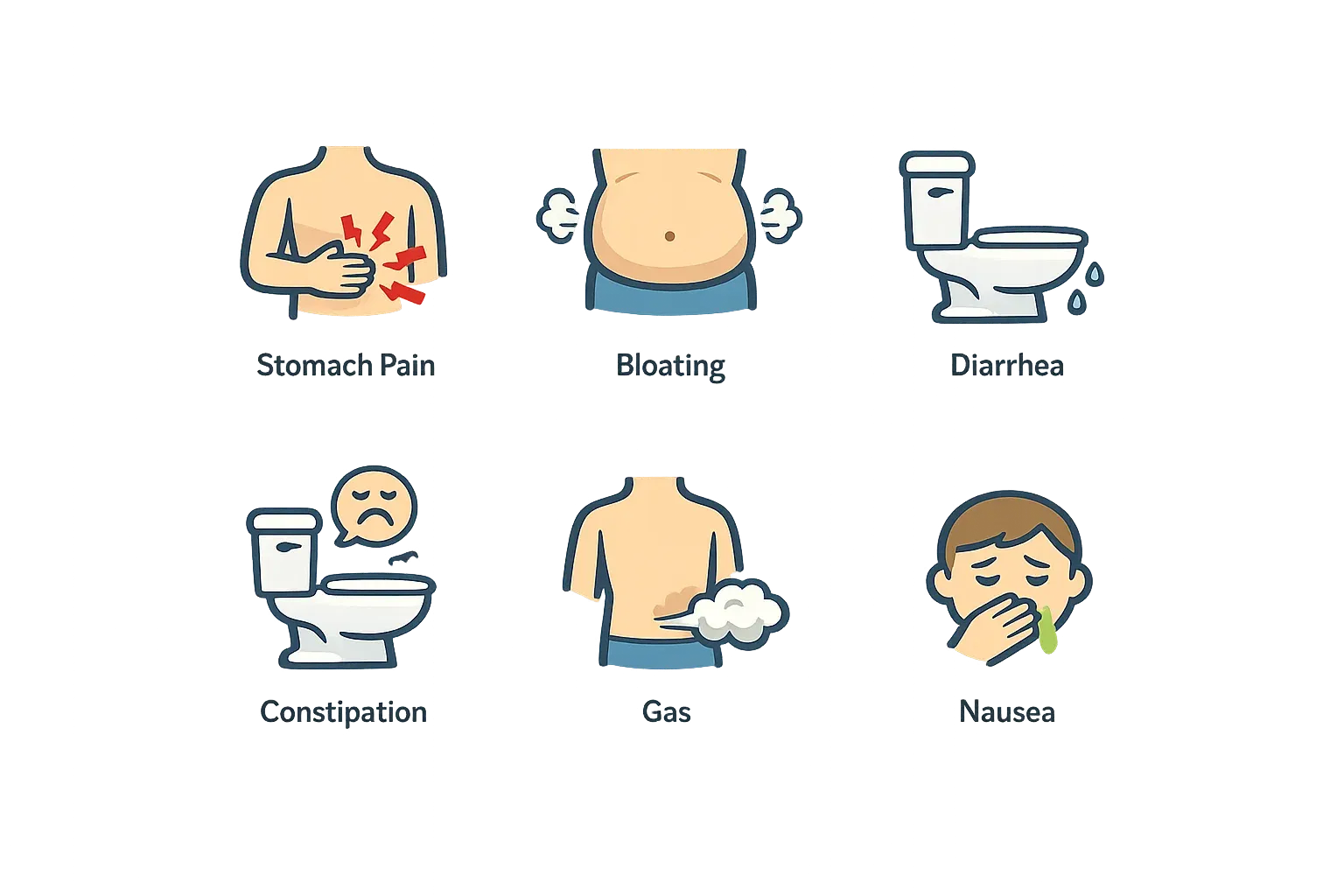
Stress-related gut issues vary from person to person. Commonly reported symptoms include:
Bloating
Excess gas
Abdominal discomfort
Appetite changes
Constipation or diarrhea
These symptoms may appear during stressful periods and improve when stress levels are better managed.
Stress, Gut Health, and Mental Well-Being
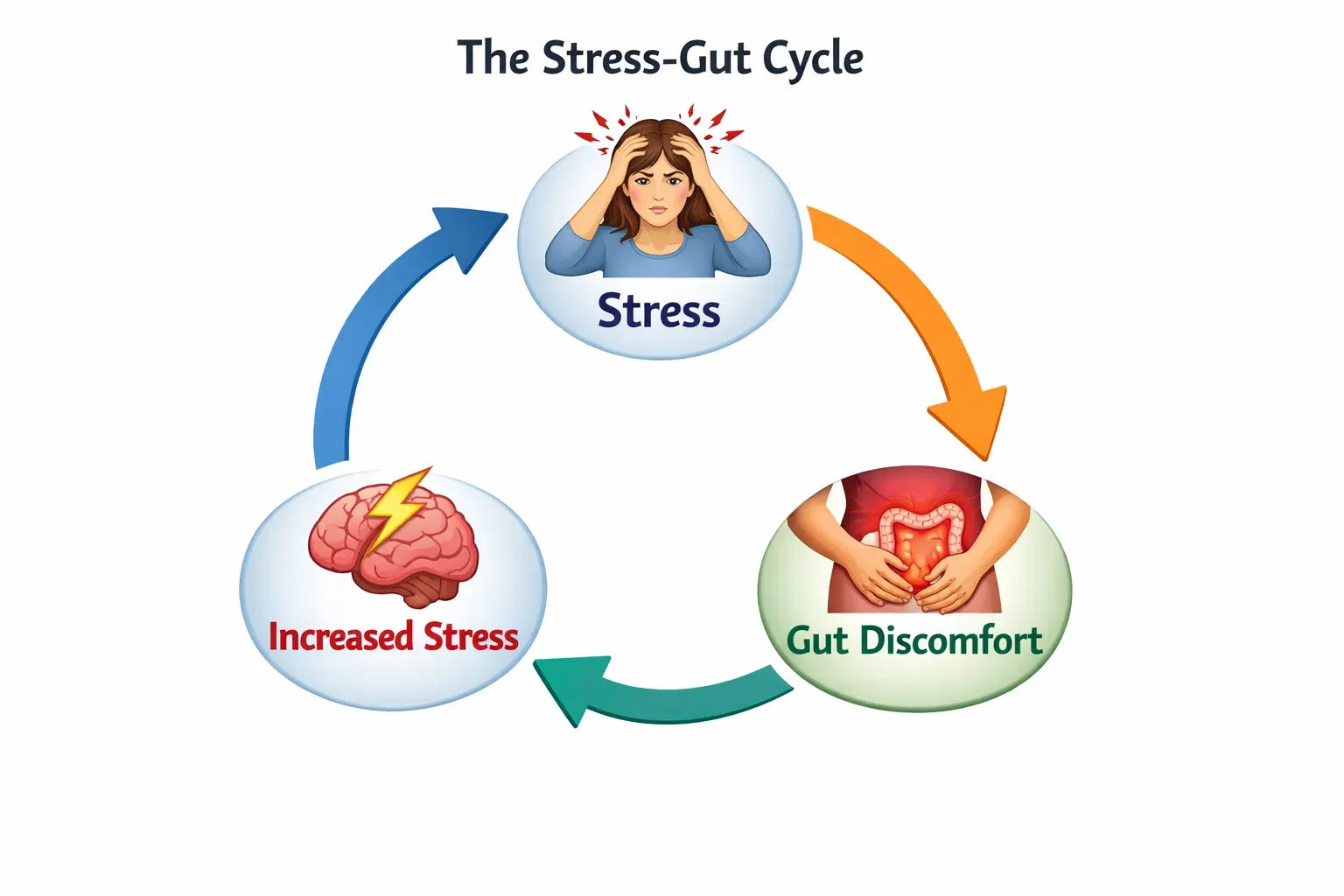
The gut–brain relationship works both ways. Ongoing digestive discomfort can increase stress, while stress can worsen gut symptoms. This creates a cycle that may be difficult to break without lifestyle adjustments.
People experiencing stress-related gut discomfort often report:
Mental fatigue
Reduced focus
Mood fluctuations
Recognizing this connection helps explain why addressing stress is an important part of supporting digestive health.
Lifestyle Habits That Support Gut Health During Stress
Improving gut health does not require extreme measures. Small, consistent lifestyle habits can support digestive balance during stressful periods.
Stress Management Practices
Mindful breathing
Short daily breaks
Reducing digital overload
Setting realistic boundaries
Supporting Digestion Through Food Choices
Eating regular meals
Including fiber-rich foods
Avoiding extreme dietary restrictions
Listening to individual food tolerance
Sleep and Physical Activity
Consistent sleep supports gut recovery
Light movement, such as walking, helps digestion
These habits work gradually and support long-term balance rather than immediate relief.

How Long Does It Take to Improve Stress-Related Gut Health?
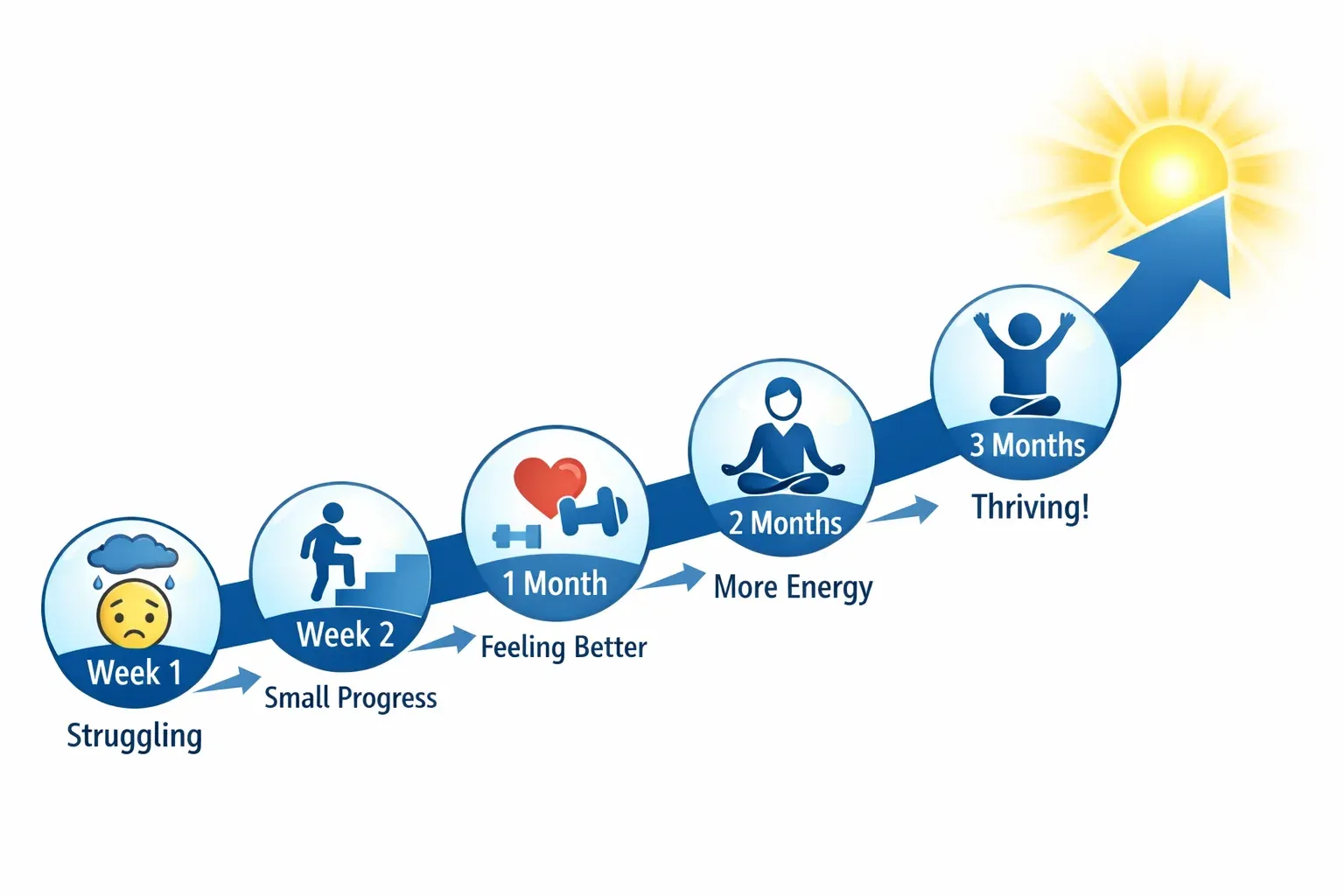
Gut health improvements happen gradually.
Some people notice changes within a few weeks
Long-term balance often develops over several months
Consistency matters more than quick changes. Progress is not always linear, and occasional setbacks are normal.
When Stress-Related Gut Symptoms Need Medical Attention
While stress can influence digestion, not all gut symptoms should be self-managed.
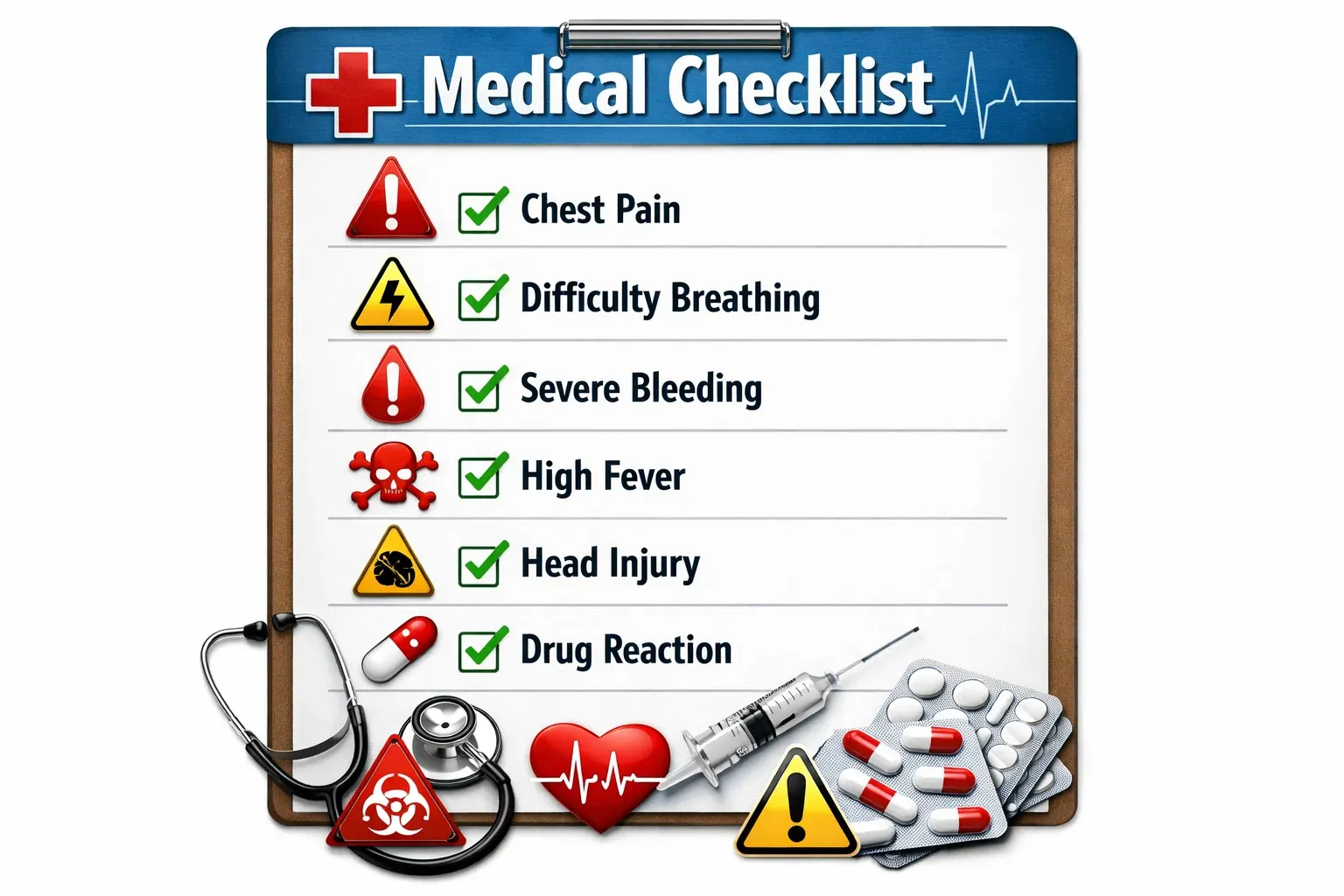
Consult a qualified healthcare professional if symptoms include:
Severe or persistent abdominal pain
Blood in stool
Unexplained weight loss
Long-lasting digestive distress
Seeking professional guidance is an important part of responsible health care.
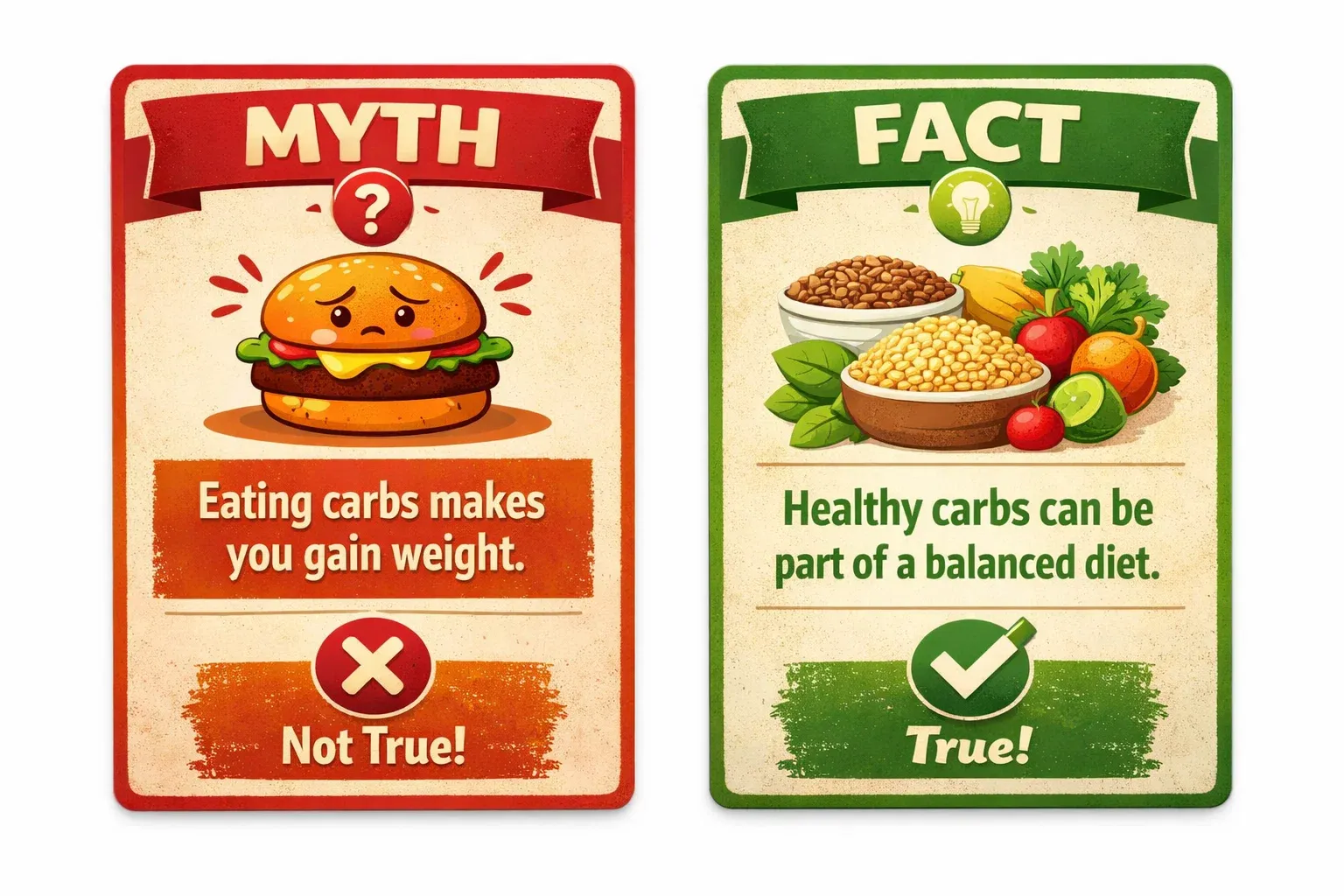
Common Myths About Stress and Gut Health
Stress affects only mental health ❌
Digestive discomfort always indicates serious illness ❌
One supplement can fix gut health ❌
Gut health is influenced by multiple factors, and no single solution works for everyone.
Final Thoughts
Stress and gut health are deeply connected. Ongoing stress can influence digestion, microbial balance, and gut sensitivity, while digestive discomfort can increase emotional strain.
Understanding this relationship helps shift the focus away from quick fixes and toward sustainable lifestyle support. Over time, small, consistent changes can make a meaningful difference in digestive comfort and overall well-being.
Frequently Asked Questions
Can stress really affect gut health?
Yes. Stress may influence digestion, gut sensitivity, and microbial balance through the gut–brain connection.
Can gut health improve even if stress does not disappear completely?
Yes. Supportive lifestyle habits can help improve gut resilience even when stress is present.
Is stress-related gut discomfort permanent?
In many cases, symptoms improve with consistent lifestyle support and stress management.
Medical Disclaimer
This content is for informational purposes only and does not diagnose, treat, or replace professional medical advice. Always consult a qualified healthcare provider for health-related concerns.
your info was very good and very helpfull so can u publish content like this..