
Table of Contents
ToggleGut Health: A Complete Science-Backed Guide to a Healthy Digestive System
Key takeaways
- Gut health affects far more than digestion — it influences immunity, mood, metabolism, and inflammation.
- A diverse gut microbiome is one of the key markers of a healthy gut.
- Fiber-rich, fermented, and prebiotic foods support your gut; ultra-processed foods and chronic stress harm it.
- Improvement is gradual — consistency over weeks and months matters more than quick fixes.
Bloating, low energy, frequent illness, and unexplained mood changes have become increasingly common — and growing research suggests they often share a deeper connection: gut health.
Gut health isn’t just about digestion. A healthy gut plays a meaningful role in immune function, mental well-being, metabolism, and inflammation, which is why it’s now seen as a foundational pillar of long-term wellness.
This guide breaks down gut health in a clear, research-aware, and practical way — no exaggerated promises or supplement hype, just understanding. A big part of gut health is what you eat, so it pairs naturally with our balanced diet guide.
What Is Gut Health?
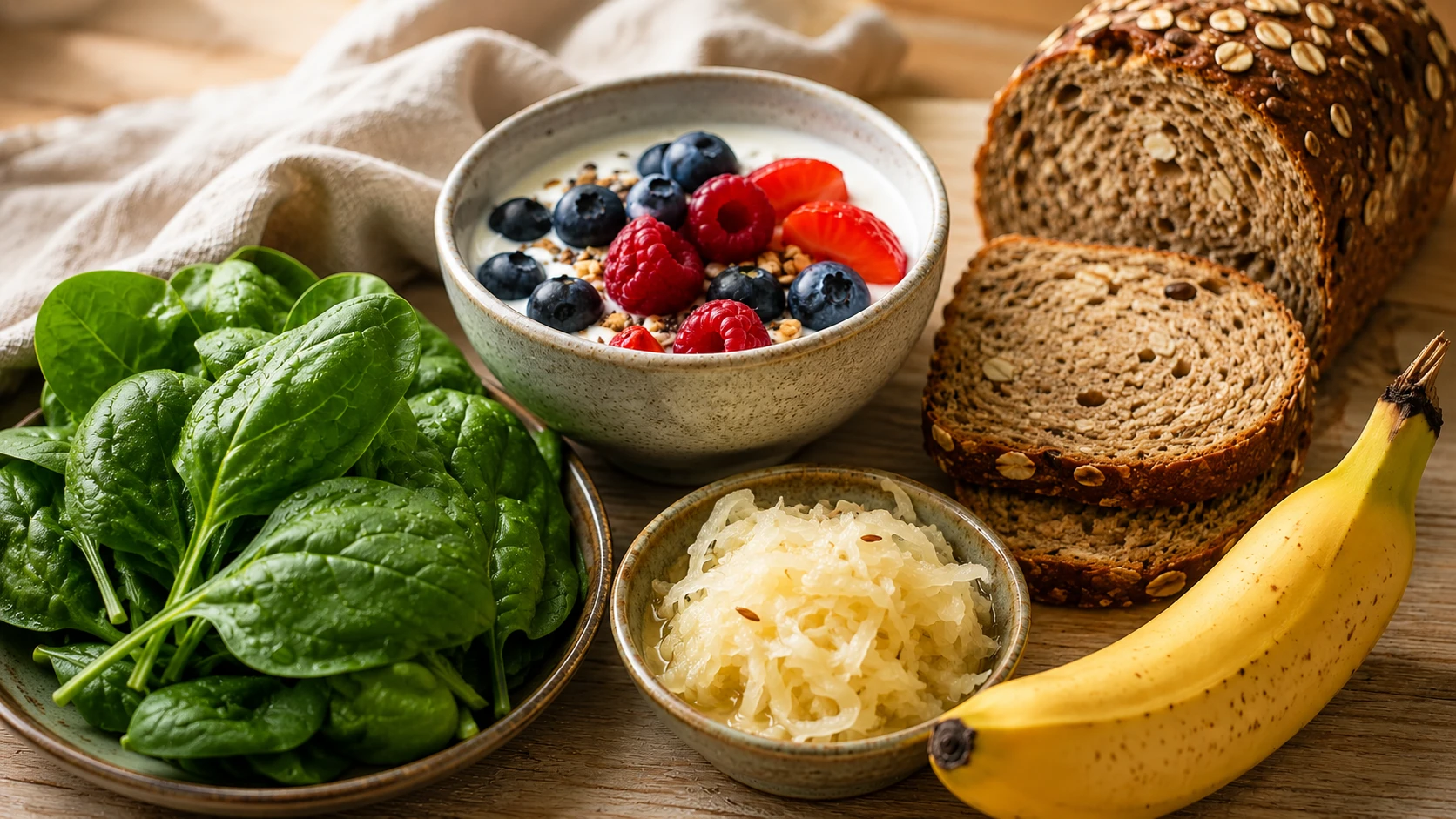
Gut health refers to the balanced, efficient functioning of your digestive system — the stomach, small intestine, large intestine, and the microorganisms living within them. When it’s well supported, food is digested efficiently, nutrients are absorbed properly, waste moves smoothly, and discomfort is minimized. At its core, gut health is about balance and stability — not extreme diets or aggressive detoxes.
What Is the Gut Microbiome?

The gut microbiome is a complex ecosystem of trillions of microorganisms — mostly bacteria — living in your digestive tract. They break down dietary fiber into beneficial compounds, support immune regulation, and limit the overgrowth of harmful bacteria.
Research consistently links microbial diversity with a healthy gut: a greater variety of beneficial bacteria is generally associated with better digestion and metabolic balance. Modern habits — ultra-processed foods, chronic stress, poor sleep, and frequent antibiotic use — can reduce that diversity over time.
Why Gut Health Matters for the Whole Body
- Immunity: a large share of the immune system is closely linked to the gut, so balanced gut bacteria help guide healthy immune responses.
- Mental well-being (the gut–brain axis): the gut and brain communicate constantly, which is why gut imbalance is associated with stress sensitivity, mood swings, and brain fog. (More in our guide on how stress affects gut health.)
- Metabolism & weight: gut bacteria influence how the body processes energy and inflammation.
- Inflammation: an imbalanced gut may contribute to chronic, low-grade inflammation.
Signs of Poor Gut Health
Gut imbalance doesn’t always show up as digestive trouble alone.
- Digestive signs: frequent bloating, excess gas, constipation, diarrhea, general discomfort.
- Non-digestive signs: persistent fatigue, brain fog, skin breakouts, frequent illness, mood changes.
When these occur regularly, your gut shouldn’t be ignored.
Common Causes of Poor Gut Health
- Low-fiber, highly processed diets
- Chronic stress and poor sleep
- Antibiotic and medication overuse
- A sedentary lifestyle
- Irregular eating patterns and late-night heavy meals
Foods That Support Gut Health Naturally
| Food Type | Examples | How It Helps |
|---|---|---|
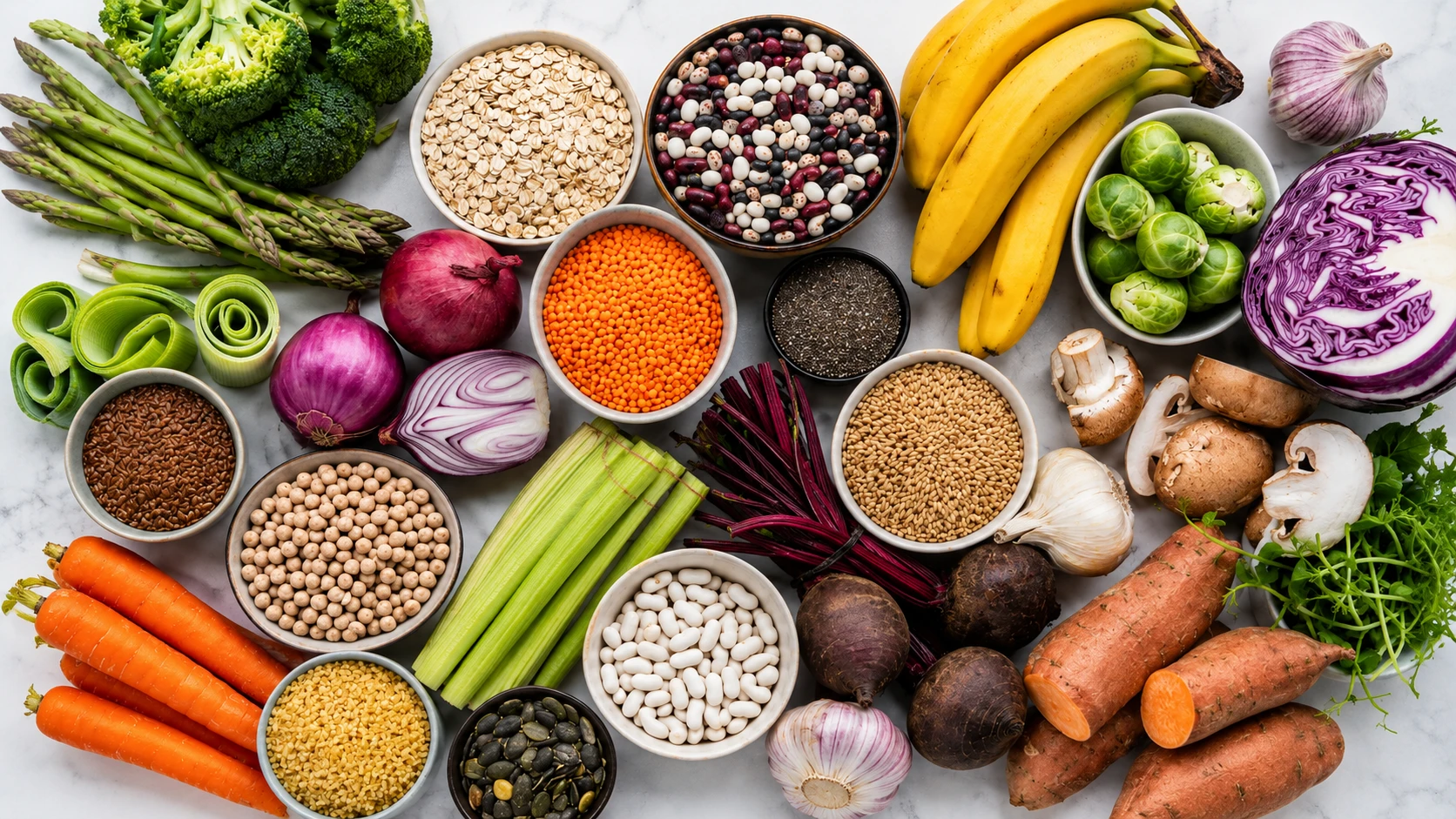
| Fiber-rich | Vegetables, fruits, whole grains, legumes | Feeds beneficial bacteria, aids digestion |
| Fermented | Yogurt, kefir, sauerkraut, kimchi | Adds beneficial microorganisms |
| Prebiotic | Garlic, onions, bananas, oats | Nourishes existing good bacteria |
| Variety | Diverse plant foods | Supports microbial diversity |
Rather than strict rules, a flexible, varied eating pattern is most effective. Limit: excess added sugar, highly processed foods, and excessive alcohol.
Lifestyle Habits That Improve Gut Health
- Stress management — mindfulness and breathing support the gut–brain connection.
- Quality sleep — helps maintain healthy microbial rhythms.
- Physical activity — walking and moderate exercise stimulate digestion.
- Hydration — supports digestion and regular bowel movements.
Daily cleanliness habits matter too — see our guide on living a hygienic life.
How Long Does It Take to Improve Gut Health?
It’s gradual: some changes may appear within weeks, but long-term balance often develops over several months. Consistency is the most important factor.
When to Seek Medical Advice
Consult a qualified healthcare professional if you experience severe or persistent abdominal pain, blood in stool, unexplained weight loss, or chronic digestive symptoms.
Frequently Asked Questions
What is the fastest natural way to improve gut health?
Balanced nutrition, adequate fiber, stress management, and quality sleep support gradual improvement.
Can gut health affect mental well-being?
Yes — the gut–brain connection can influence mood and stress response.
Are probiotics necessary for everyone?
No — individual needs vary, and not everyone requires supplements.
How long until I notice a difference?
Some people notice changes within weeks; lasting balance often takes a few months.
Final Thoughts
Gut health isn’t a quick fix — it develops through consistent food choices, supportive lifestyle habits, and long-term balance. When you make it a priority, your body tends to respond positively over time, supporting comfort, resilience, and overall well-being.
Sources & References
1. Shreiner AB, et al. The gut microbiome in health and in disease. Curr Opin Gastroenterol. 2015;31(1):69–75.
→ pubmed.ncbi.nlm.nih.gov/25394236
2. Sonnenburg JL, Bäckhed F. Diet–microbiota interactions as moderators of human metabolism. Nature. 2016;535:56–64.
→ pubmed.ncbi.nlm.nih.gov/27383980
3. NIH Human Microbiome Project. Understanding the Human Microbiome.
4. Harvard Health. How to get more probiotics. Harvard Medical School.