
Table of Contents
ToggleMental Health for Seniors: The Benefits of Socializing for Aging Adults
Key takeaways
- Social connection is one of the most powerful protectors of mental health as we age.
- Regular socializing improves sleep, lowers stress, and reduces the risk of depression.
- Staying socially engaged also supports memory and may help delay cognitive decline.
- Both in-person and virtual connection help — the key is enjoyable, consistent engagement.
As people age, social connection becomes essential for mental and emotional well-being. Yet life changes — retirement, the loss of a spouse, or health challenges — can lead to isolation and loneliness, which negatively affect mental health.
Research consistently highlights how important social engagement is for older adults: it can improve cognitive function, reduce stress, and lower the risk of mental health disorders. Mood is also tied to your brain’s chemistry, which you can explore in our guide on how to increase happy hormones.
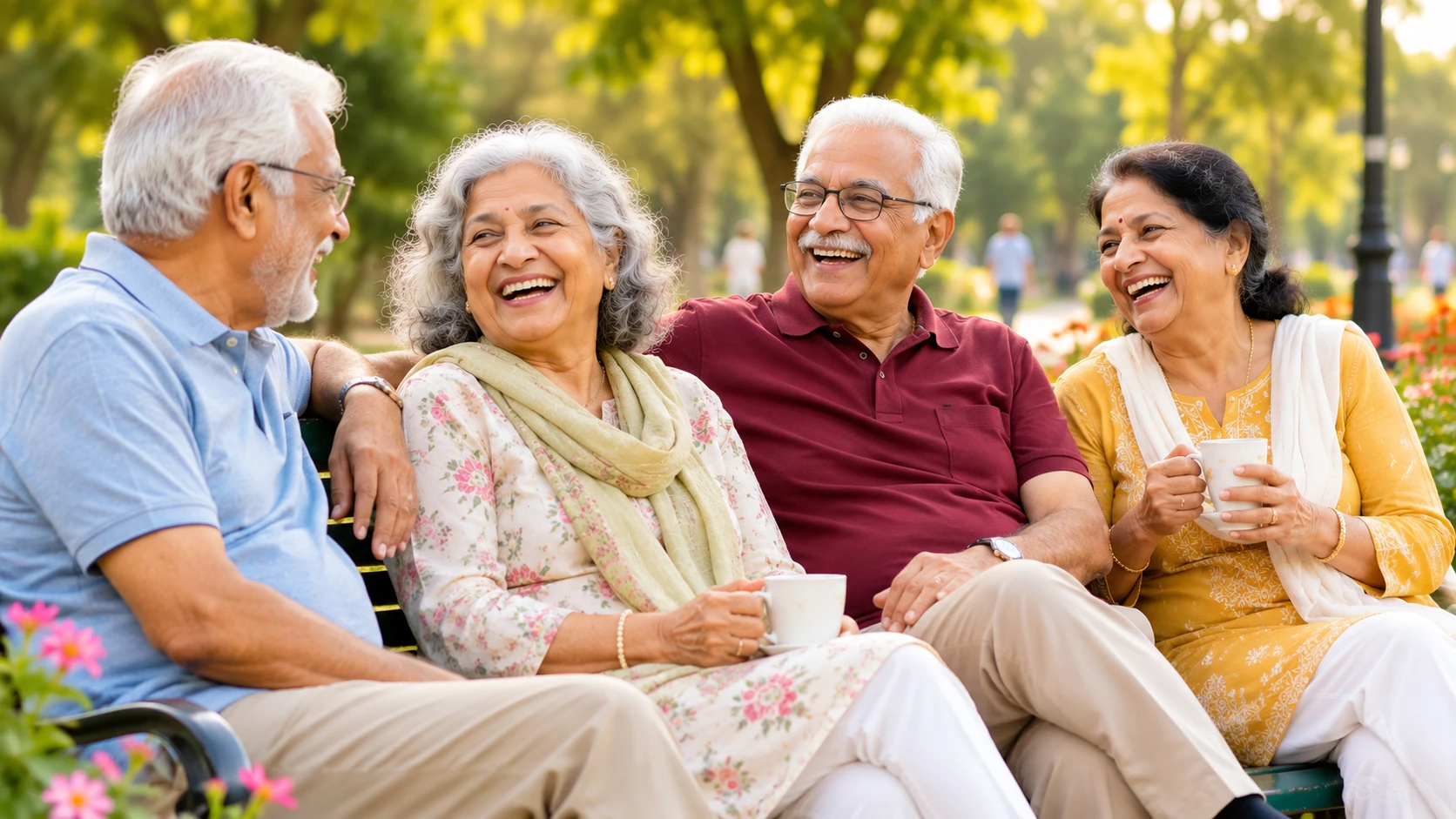
Why Social Connection Matters as We Age
A strong sense of belonging is crucial for mental health.
Social connectedness fosters feelings of being valued and supported, and participating in community activities — volunteering, exercise groups, cultural programs — significantly enhances that sense of belonging among older adults.
Engaging in shared interests builds meaningful relationships, reduces loneliness, and promotes emotional stability.
The Mental Health Benefits of Socializing
| Benefit | How Socializing Helps |
|---|---|
| Sense of belonging | Feeling valued and supported in a community |
| Better sleep | Strong social support is linked to fewer sleep disturbances |
| Lower stress | Connection helps regulate stress hormones |
| Sharper mind | Interaction supports memory and reasoning |
| Less depression | Regular contact protects against low mood |
Promotes Overall Well-Being
Social interaction directly improves quality of life. People who engage socially tend to feel more cared for and develop stronger emotional resilience.
Older adults benefit most from activities they genuinely enjoy — group fitness classes, hobby groups, or community gatherings. The feeling of being connected plays a critical role in life satisfaction and emotional health.
Improves Sleep Quality
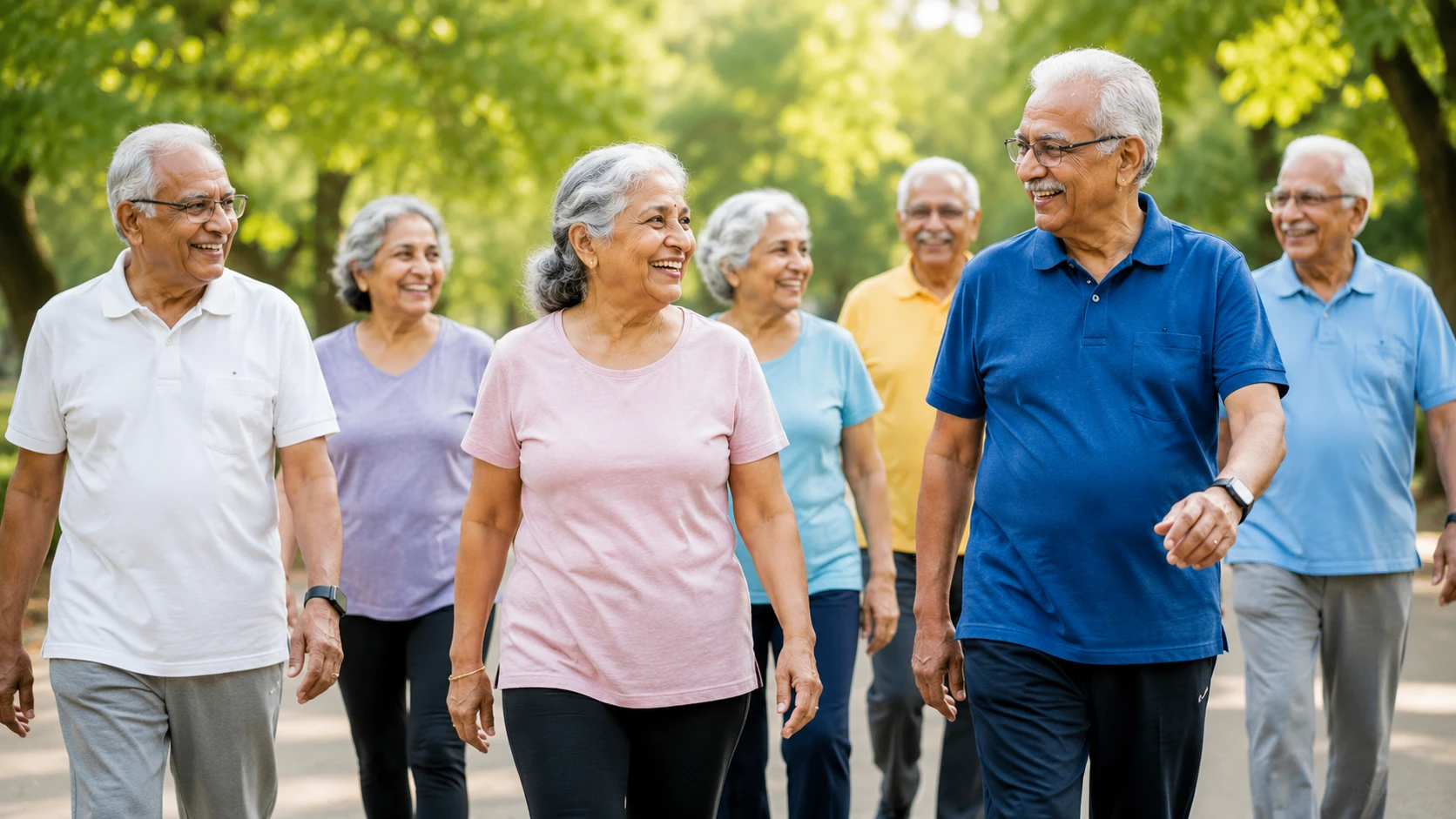
Social engagement is linked to better sleep. Older adults with strong social support networks tend to report higher-quality sleep and fewer disturbances than those experiencing isolation.
Social bonding helps regulate stress hormones, leading to better rest and overall well-being.
Reduces Stress and Anxiety
Emotional support from friends and family helps people manage stress more effectively. Socializing is associated with lower levels of cortisol, the primary stress hormone, and better emotional regulation.
Regular conversations and meaningful activities create a sense of comfort and security that supports mental stability.
Protects Against Cognitive Decline
Social interaction is a form of mental exercise that helps preserve cognitive abilities.
Research indicates that social engagement supports executive function, reasoning, and memory, and that seniors who stay socially active tend to show stronger cognitive skills.
Consistent connection may help delay cognitive decline and lower dementia risk.
Reduces the Risk of Depression
Loneliness is a significant contributor to depression in older adults, and social isolation is linked to a higher risk of mental health disorders.
Frequent social interaction has a protective effect — improving mood and emotional well-being. Even simple daily conversations and group activities help reduce loneliness and foster a positive outlook.
How Aging Adults Can Stay Socially Connected
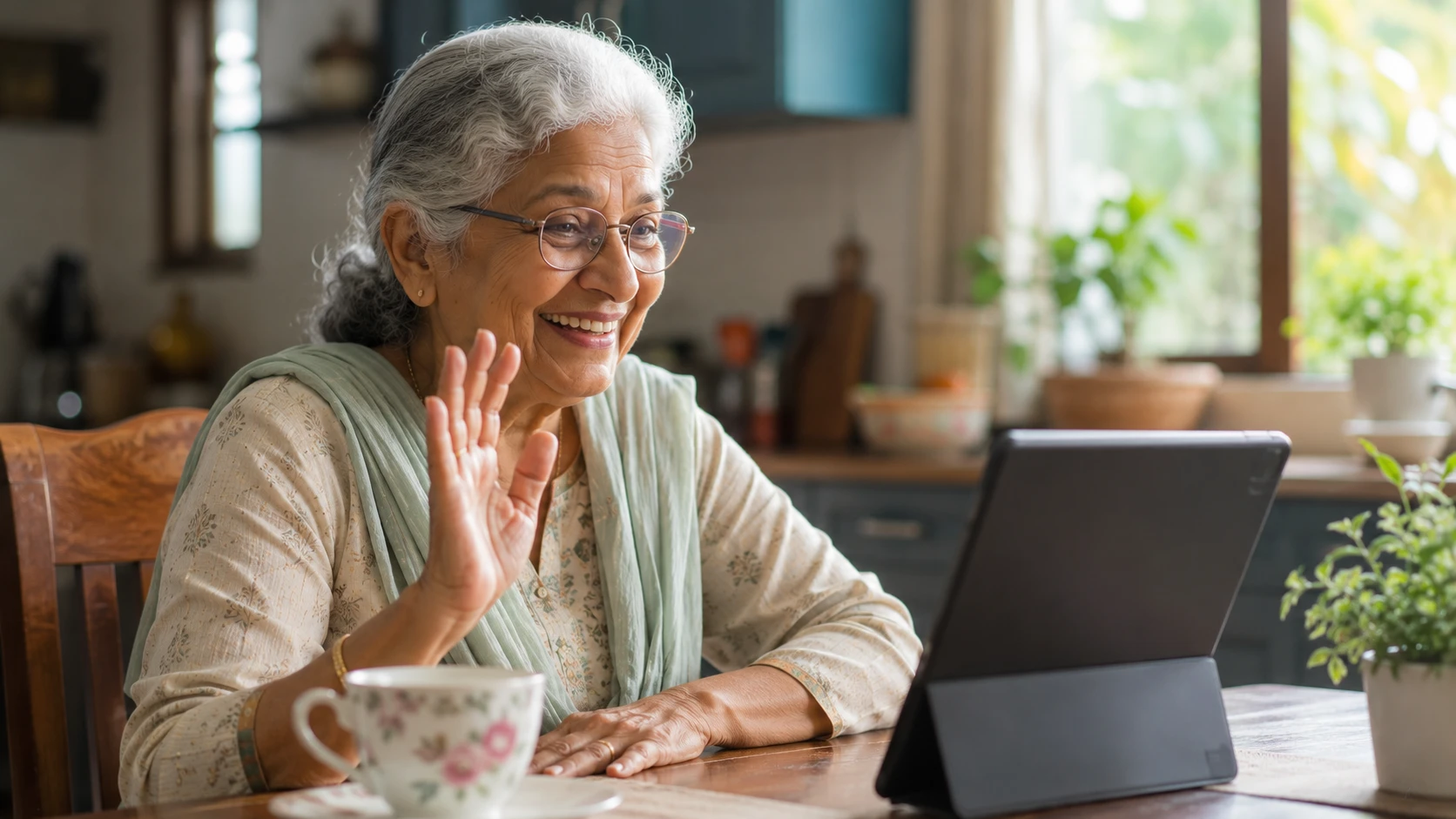
Both in-person and virtual communication help. Health authorities recommend activities that encourage regular engagement:
- Joining hobby groups (painting, knitting, woodworking)
- Participating in exercise programs (yoga, dance, walking clubs)
- Volunteering for community initiatives
- Attending events at parks, community centers, or religious gatherings
- Joining book clubs and support groups
Frequently Asked Questions
Why is socializing important for senior mental health?
It reduces loneliness, lowers stress, improves mood and sleep, and helps protect against depression and cognitive decline.
How often should seniors socialize?
Regular, consistent contact matters most — even short daily conversations or weekly group activities help.
Does virtual connection help too?
Yes — frequent video or phone contact with family and friends supports well-being when in-person meetings aren’t possible.
What activities are best?
The ones a person genuinely enjoys — hobby groups, exercise classes, volunteering, or community gatherings.
Final Thoughts
Social engagement is essential for mental health in older adults.
Stronger connections lead to better cognitive function, improved sleep, reduced stress, and a lower risk of depression and dementia.
Whether in person or virtual, fostering enjoyable, regular relationships can meaningfully improve quality of life — making socialization a daily habit worth prioritizing for a healthier, happier aging process.
Sources & References
1. Dukan P. The Dukan Diet: 2 Steps to Lose the Weight, 2 Steps to Keep It Off Forever. Crown Publishers; 2011.
→ PubMed: High-protein low-carb diet review
2. Sacks FM, et al. Comparison of Weight-Loss Diets with Different Compositions of Fat, Protein, and Carbohydrates. NEJM. 2009;360:859–873.
→ pubmed.ncbi.nlm.nih.gov/19246357
3. NIH. Choosing a Safe and Successful Weight-Loss Program. NIDDK.
4. CDC. Losing Weight — Tips for Success.