
Table of Contents
ToggleHow to Increase Happy Hormones in the Body Naturally
Key takeaways
- Four "happy hormones" shape your mood: serotonin, dopamine, oxytocin, and endorphins.
- Sunlight, exercise, quality sleep, and protein-rich foods naturally boost them.
- Connection — hugs, time with people, and kindness — raises oxytocin; small wins raise dopamine.
- Consistent daily habits matter more than any supplement, and persistent low mood deserves professional support.
We all have those days where we wake up ready to take on the world — and others that feel heavy for no clear reason. A big part of that is what’s happening inside your body, specifically your “happy hormones.”
I learned this the hard way during a burned-out, moody stretch a few years ago. Instead of reaching for a quick fix, I dug into how to naturally lift my mood — and small daily tweaks made a bigger difference than I expected. Here’s exactly how to boost your happy hormones with simple habits, foods, and movement.

What Are the Happy Hormones?
Your body runs on chemical messengers. Four of them are responsible for that “life is good” feeling:
- Serotonin — your mood stabilizer; also supports sleep.
- Dopamine — your reward and motivation chemical.
- Oxytocin — the “love hormone,” tied to bonding and trust.
- Endorphins — natural painkillers behind that “runner’s high.”
When they’re balanced, you feel lighter and more resilient. When they’re low, everything feels harder.
The 4 Happy Hormones at a Glance
| Hormone | Role | Natural Boosters |
|---|---|---|
| Serotonin | Mood & sleep | Sunlight, exercise, tryptophan foods |
| Dopamine | Reward & motivation | Small wins, protein, good sleep |
| Oxytocin | Bonding & trust | Hugs, connection, acts of kindness |
| Endorphins | Stress relief | Exercise, laughter, music |
How to Boost Serotonin Naturally
- Get sunlight — even 20 minutes outside helps; morning light is great.
- Eat smart — tryptophan foods like eggs, nuts, and tofu are building blocks for serotonin.
- Move your body — cardio, a brisk walk, or even dancing works.
- Practice gratitude — jotting down a few good things rewires your brain over time.
- Mind your gut — most serotonin is made in the gut, so foods like yogurt and kefir help. (More in how stress affects gut health.)
How to Increase Dopamine
- Set tiny goals — break tasks into small wins and check them off for a dopamine hit.
- Eat enough protein — chicken, eggs, and fish provide the amino acids dopamine needs.
- Prioritize sleep — poor sleep tanks dopamine fast.
- Try new things — novelty keeps dopamine fresh.
How to Release Oxytocin Naturally
- Spend time with your people — real conversations, no screens.
- Hug more — physical touch (even petting a dog) boosts oxytocin.
- Do acts of kindness — small favors make you feel more connected.
- Try loving-kindness meditation — simple, and it genuinely helps.
Natural Ways to Boost Endorphins

- Sweat it out — any movement helps; dance if running isn’t your thing. For ideas, try our 30 at-home workout moves.
- Laugh daily — a funny show is genuine medicine.
- A little spice or dark chocolate — small amounts give a mood kick.
- Music and massage — both reliably lift endorphins.
Foods That Increase Happy Hormones
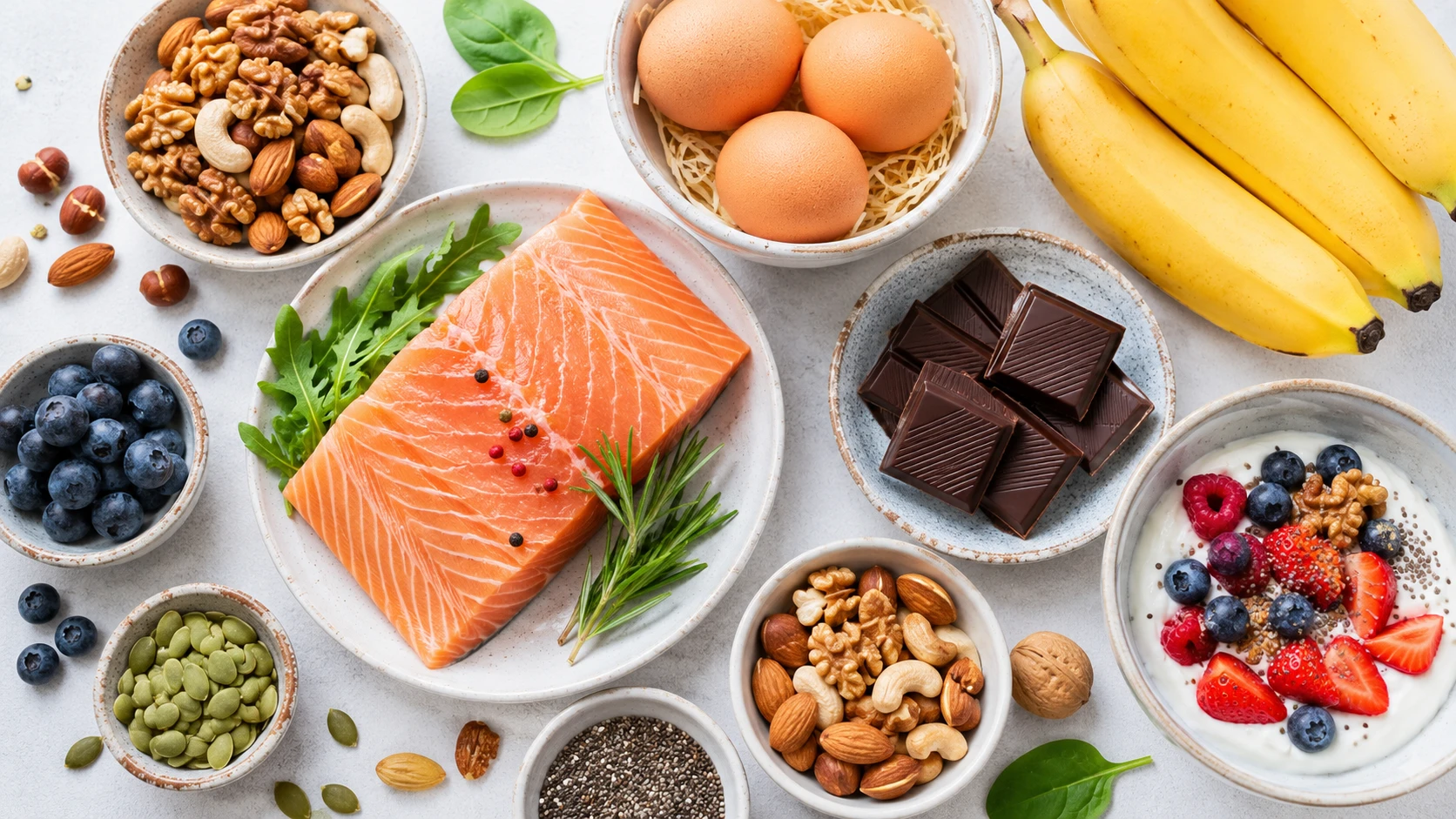
What you eat shapes how you feel. Go-to mood foods:
- Fatty fish (salmon) — omega-3s for a balanced mood
- Bananas — an easy dopamine-friendly snack
- Eggs and dairy — serotonin support
- Nuts and seeds — steady mood fuel
- Fermented foods (yogurt, kefir) — gut-friendly and mood-supportive
- Dark chocolate — in small amounts
And cut back on soda, processed snacks, and too much alcohol — you’ll feel the difference.
Herbs and Supplements (Talk to Your Doctor First)
Some people add supplements like St. John’s Wort, Rhodiola, Ashwagandha, omega-3 fish oil, or probiotics. These may support mood, but always check with your doctor first — especially if you take other medications. Real food, movement, and sleep remain the foundation.
Lifestyle Habits That Keep Happy Hormones Flowing
- Exercise — 20 minutes of any movement beats none.
- Protect your sleep like it’s savings.
- Nurture relationships — a quick text or call counts.
- Get into nature when overwhelmed.
- Manage stress with deep breaths, music, or a stretch break.
- Limit negativity — protect your headspace from drama.
For older adults specifically, social connection is especially powerful — see mental health for seniors.
When to Get Extra Help
Sometimes you do everything right and still feel stuck. If sadness lingers, or you lose interest in things you love, please reach out to a mental-health professional. That’s not weakness — it’s smart, and support makes a real difference.
Frequently Asked Questions
What are the hormones that make you happy?
Serotonin, dopamine, oxytocin, and endorphins — they help you feel calm, motivated, loved, and less stressed.
How can I boost serotonin naturally?
Morning sunlight, tryptophan foods (eggs, nuts), regular movement, gratitude, and gut-friendly foods.
What foods help increase happy hormones?
Fatty fish, bananas, eggs, nuts, yogurt, and a little dark chocolate.
Do supplements really help?
They may support mood, but food, sleep, and exercise matter most — and check with your doctor before starting any.
Final Thoughts
Boosting your happy hormones isn’t about overnight fixes — it’s about real, doable habits. Get some sunlight, eat a nourishing breakfast, move your body, connect with people you love, and protect your sleep. Your brain already has the tools — give it a little help every day, and reach out for support when you need it.
Sources & References
1. Young SN. How to increase serotonin in the human brain without drugs. J Psychiatry Neurosci. 2007;32(6):394–399.
→ pubmed.ncbi.nlm.nih.gov/18043762
2. Dunbar RI, et al. Endorphins and the social bonding of humans. Proc R Soc B. 2012;279(1731):1161–1167.
→ pubmed.ncbi.nlm.nih.gov/21975233
3. NIH. Serotonin: What Is It, Function & Levels. Cleveland Clinic via MedlinePlus.
4. Harvard Health. Boost your mood with exercise. Harvard Medical School.