
Table of Contents
ToggleDukan Diet Cruise Phase: Food List, Rules & Meal Plan (2026)
Key takeaways
- The Cruise Phase (Phase 2) adds non-starchy vegetables back and continues until you reach your goal weight.
- You alternate Pure Protein (PP) and Protein + Vegetable (PV) days — the simple 1:1 rotation works best.
- Expect steadier loss of about 1–2 pounds per week; oat bran rises to 2 tbsp daily.
- No oils, dressings, fruit, or starches yet — small "extras" are the #1 reason progress stalls.
Finishing the Attack Phase feels like a win. The scale drops fast, motivation is high, and you finally believe the Dukan Diet works. But for most people in the United States, the Cruise Phase is where the real journey begins.
This phase isn’t about speed — it’s about consistency, steady fat loss, and sustainability. Understand it correctly and the Dukan Diet becomes realistic and livable. Get it wrong and weight loss stalls, which is exactly where many people give up.
This guide explains the Cruise Phase in a simple, practical way — no confusing diet jargon. If you haven’t started yet, read the Attack Phase first, or see the full Dukan Diet 7-day meal plan for the big picture.
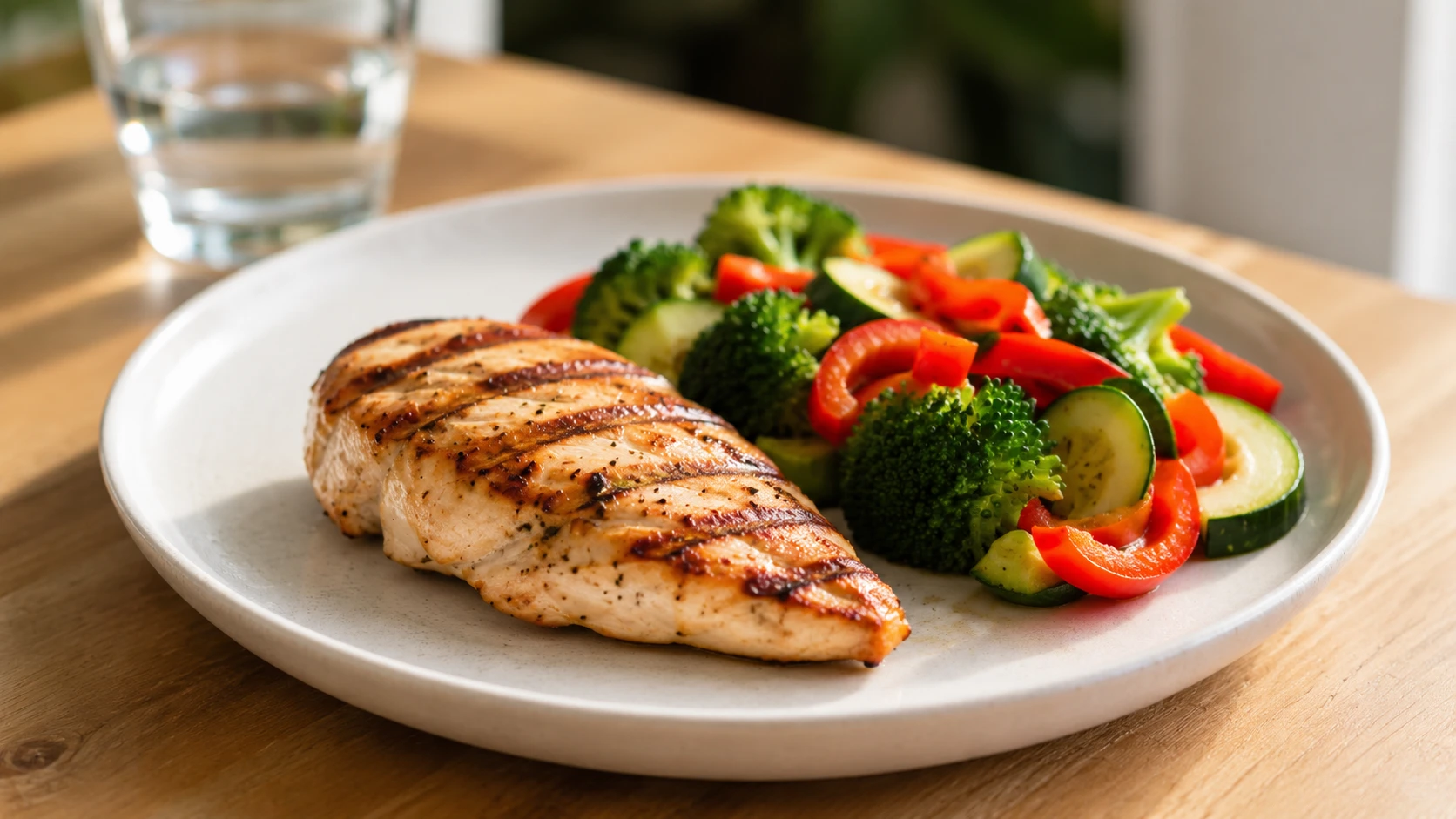
What Is the Dukan Diet Cruise Phase?
The Cruise Phase, also called Phase 2, is designed to help you keep losing weight steadily until you reach your goal. Unlike the Attack Phase, which allows only pure protein, the Cruise Phase introduces non-starchy vegetables while keeping protein as the main focus.
This balance reduces fatigue, improves digestion, makes the diet mentally easier, and supports steady fat loss. For most U.S. readers, this is the phase that fits real life — work schedules, grocery runs, and family meals.
How the Cruise Phase Works
The Cruise Phase runs on a rotation:
- PP Days (Pure Protein): you eat only lean protein foods.
- PV Days (Protein + Vegetables): you add non-starchy vegetables.
The most recommended pattern is simple: 1 PP day → 1 PV day → repeat. This 1:1 method keeps your metabolism active and helps prevent plateaus. Beginners should avoid complex rotations like 3:3 or 5:5 — the 1:1 is the safest and most effective.
Core Rules of the Cruise Phase
These rules are non-negotiable:
- Protein is unlimited
- Vegetables are allowed only on PV days
- No oils, butter, or dressings
- Fruits, grains, and cheese are still restricted
- Oat bran increases to 2 tbsp daily
- Daily walking is required
Breaking these — even slightly — is the main reason people say “the Dukan Diet stopped working.”
Cruise Phase Food List (Phase 2 Approved)
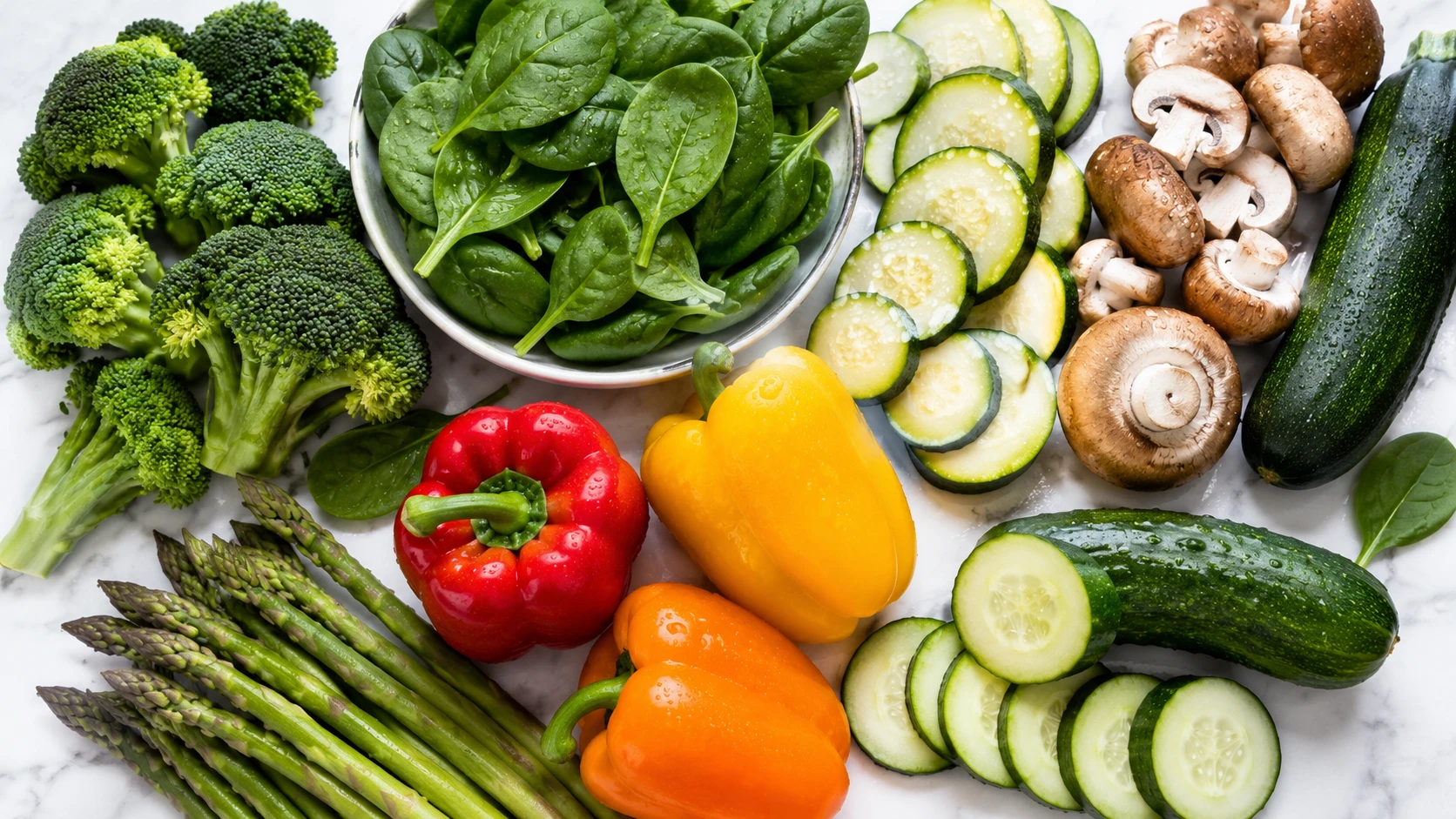
Allowed proteins (every day): skinless chicken breast, turkey breast, lean beef, pork tenderloin, fish (cod, tilapia, salmon in moderation), shrimp, crab, scallops, eggs and egg whites, nonfat Greek yogurt, nonfat cottage cheese, tofu, tempeh, seitan. Protein should always be the largest part of your meal.
Allowed vegetables (PV days only): spinach, broccoli, cauliflower, zucchini, mushrooms, bell peppers, tomatoes, cabbage, asparagus, cucumber, eggplant, onions (limited).
Not allowed: potatoes, corn, peas, beans, lentils, sweet potatoes.
Oat bran: 2 tablespoons per day — it helps prevent constipation, supports digestion, and controls hunger.
For the full reference across every phase, see our complete Dukan Diet food list.
How Long Does the Cruise Phase Last?
There’s no fixed duration — you stay in the Cruise Phase until you reach your true (goal) weight. For most U.S. adults, expect about 1–2 pounds of weight loss per week. It’s slower than the Attack Phase, but far more sustainable, because this phase targets fat loss rather than water weight.
What Weight Loss Looks Like in Phase 2
| Week | Typical Progress |
|---|---|
| Week 1 | 1–2 lbs |
| Week 2 | 1–1.5 lbs |
| Week 3 | 1 lb |
| Week 4 | Inches lost, body tightening |
If the scale slows but your clothes fit better, the diet is still working.
Why Many Americans Struggle in the Cruise Phase
Most people stall here because they:
- Expect rapid daily scale drops
- Add “healthy” oils, dressings, or sauces
- Skip their PP days
- Get impatient
The Cruise Phase rewards discipline and routine, not shortcuts.
Eating the Cruise Phase the American Way
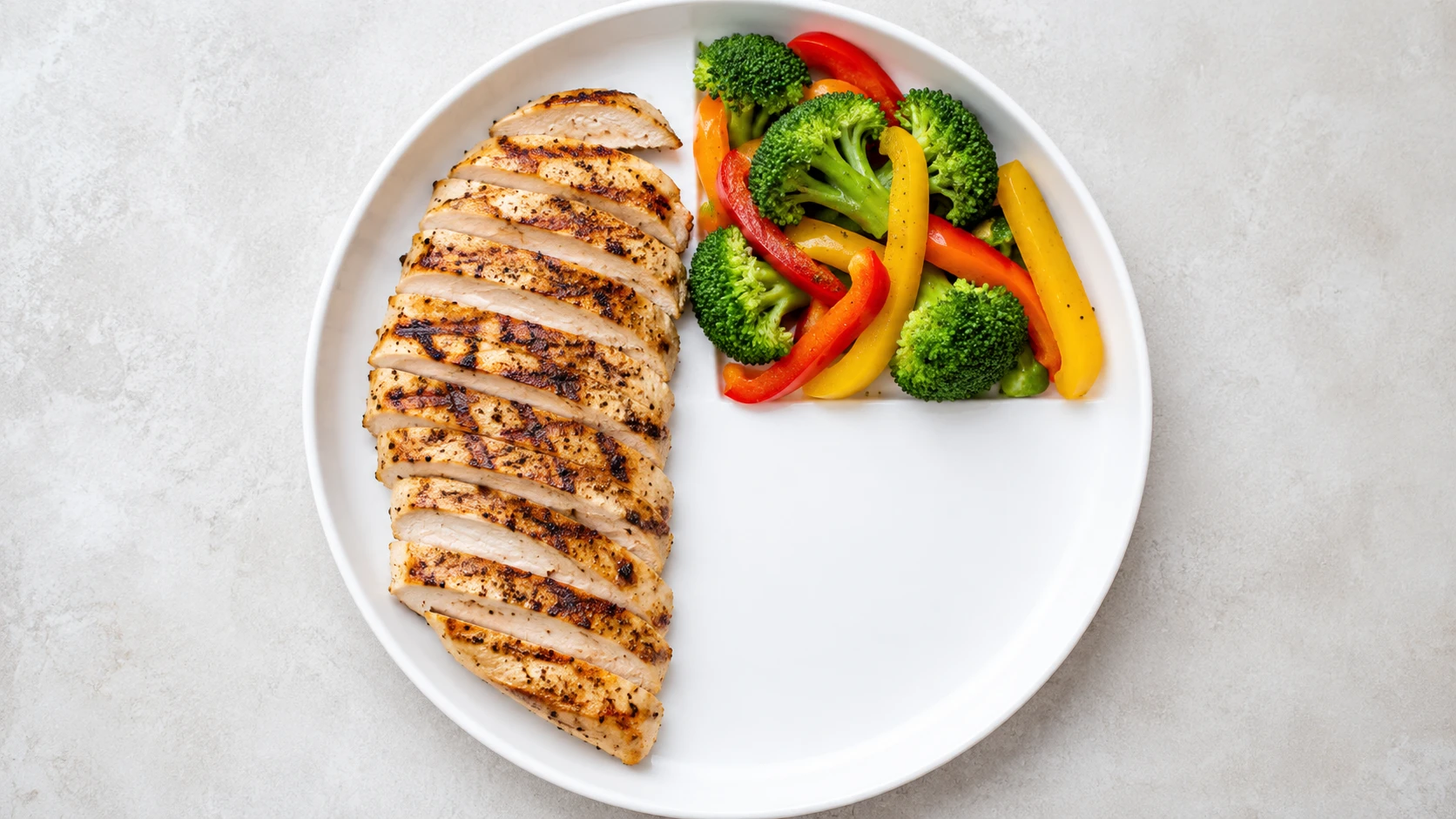
Most U.S. readers don’t have time for complicated cooking, so use a simple plate rule:
- ½ plate: lean protein
- ¼ plate: non-starchy vegetables (PV days only)
- ¼ plate: empty (no carbs, no fats)
Cooking methods: grilling, baking, boiling, or air frying (no oil). Avoid: oils, butter, salad dressings, and marinades.
Cruise Phase Grocery List (U.S. Stores)
- Proteins: chicken breast family packs, lean ground turkey (93%+), skinless rotisserie chicken, salmon fillets, frozen shrimp, egg whites (carton), nonfat Greek yogurt
- Vegetables: broccoli florets, spinach (fresh or frozen), zucchini, mushrooms, bell peppers, cauliflower rice, cucumbers
- Pantry: oat bran, cooking spray (0 calories), salt, pepper, garlic powder, paprika, lemon juice, vinegar (no sugar)
For a printable phase-by-phase version, use our phase-by-phase grocery list.
3-Day Cruise Phase Meal Plan (U.S. Lifestyle)
| Day | Breakfast | Lunch | Dinner | Snack |
|---|---|---|---|---|
| 1 — PV | Egg-white omelet with spinach | Grilled chicken + broccoli | Baked salmon + zucchini | Nonfat Greek yogurt + oat bran |
| 2 — PP | Scrambled eggs + turkey slices | Tuna (water-packed) | Lean steak + shrimp | Nonfat cottage cheese |
| 3 — PV | Greek yogurt + oat bran | Turkey burger patty + cauliflower rice | Grilled fish + mixed vegetables | Cucumber slices |
Weight Loss Plateaus (Common in Phase 2)
Many people notice no scale change for 5–7 days. This is normal — it’s often caused by water retention from vegetables, muscle preservation, and hormonal adjustment.
What helps:
- Remove dairy for 2–3 days
- Increase walking to 30–40 minutes
- Stick strictly to the PP/PV rotation
- Drink more water
Do not return to the Attack Phase to break a plateau.
Exercise Rules (Realistic for U.S. Readers)
- Required: 20–30 minutes of walking daily
- Optional: light resistance training (2× weekly), stretching, or yoga
No gym is necessary.
Safety Note
High-protein diets are generally considered safe short-term for healthy adults. Still, stay well hydrated, pay attention to digestion, and consult a doctor if you have kidney issues or any medical condition. This aligns with guidance commonly referenced by Mayo Clinic and Harvard Health.
Final Thoughts
The Cruise Phase is where the Dukan Diet becomes a real lifestyle. Stick to the simple PP/PV rotation, keep oils and extras out, hit your oat bran and daily walk, and trust the steadier pace. This is the phase that carries you all the way to your goal weight — patience here pays off.
Frequently Asked Questions
How long should I stay in the Cruise Phase?
Until you reach your goal weight — there’s no fixed time limit.
Can I eat out during Phase 2?
Yes — choose grilled meat and vegetables with no sauces, oils, or dressings.
Why is my weight loss slower now?
You’re losing fat rather than water weight, so the pace is steadier.
Is the Cruise Phase sustainable?
Yes — it’s the most realistic, livable part of the Dukan Diet.
Sources & References
1. Paddon-Jones D, et al. Protein, weight management, and satiety. Am J Clin Nutr. 2008;87(5):1558S–1561S.
→ pubmed.ncbi.nlm.nih.gov/18469287
2. USDA. Non-starchy vegetables and balanced nutrition. ChooseMyPlate.
3. Rolls BJ. Dietary energy density: Applying behavioural science to weight management. Nutr Bull. 2017;42(3):246–253.
→ pubmed.ncbi.nlm.nih.gov/29051727
4. NIH. Low-carbohydrate diets. National Library of Medicine.