
Gut Health: A Complete Science-Backed Guide to a Healthy Digestive System
Why Gut Health Deserves Your Attention
Digestive discomfort, bloating, low energy, frequent illness, and unexplained mood changes have become increasingly common in modern life. Many people consider these issues minor or temporary, but growing scientific research and public health guidance suggest that they often share a deeper connection: gut health.
Gut health is not limited to digestion alone. A healthy gut plays a meaningful role in immune function, mental well-being, metabolism, inflammation regulation, and overall quality of life. Because of this wide-ranging influence, gut health is now widely regarded as a foundational pillar of long-term wellness.
In this guide, we break down gut health in a clear, research-aware, and practical manner—without medical claims, exaggerated promises, or unnecessary supplement promotion. The goal is understanding, not quick fixes.
What Is Gut Health?
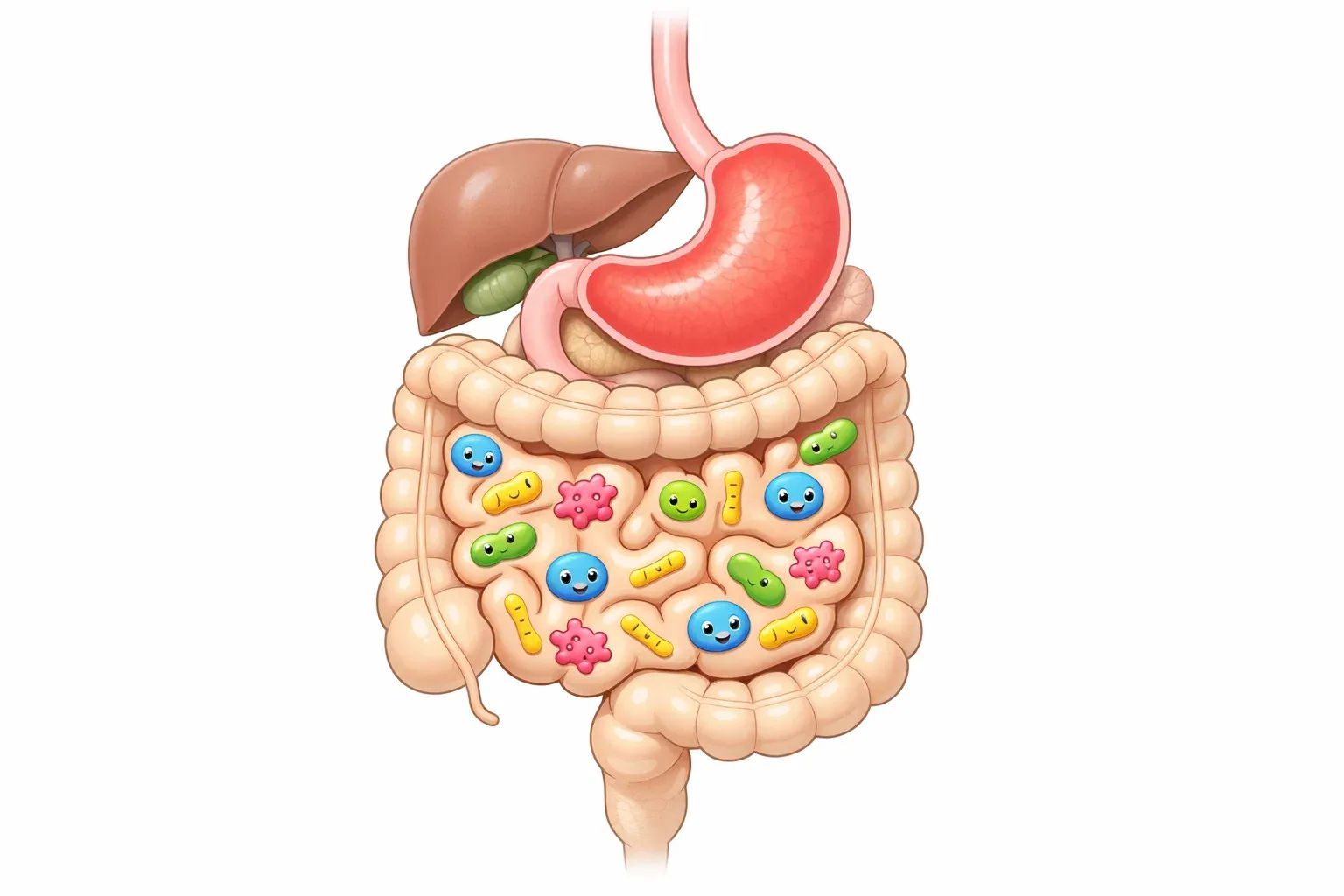
Gut health refers to the balanced and efficient functioning of the digestive system, which includes the stomach, small intestine, large intestine (colon), and the microorganisms living within them.
When gut health is well supported:
Food is digested efficiently
Nutrients are absorbed properly
Waste moves smoothly through the digestive tract
Digestive discomfort is minimised
At its core, gut health is about balance and stability—not extreme dietary restrictions, rapid detoxes, or aggressive interventions.
What Is the Gut Microbiome?
The gut microbiome is a complex ecosystem made up of trillions of microorganisms that live in the digestive tract. These include bacteria, fungi, and viruses, with bacteria being the most extensively studied.
These microorganisms help the body by:
Breaking down dietary fiber into beneficial compounds
Supporting immune system regulation
Limiting the overgrowth of harmful bacteria
Research consistently suggests that microbial diversity is a key marker of a healthy gut. A greater variety of beneficial bacteria is generally associated with better digestion, metabolic balance, and resilience.
Modern lifestyle factors—such as highly processed foods, chronic stress, insufficient sleep, and frequent antibiotic use—can reduce this diversity over time, whether someone lives in the United States or elsewhere.
Why Gut Health Is Important for Overall Health
A healthy gut supports smooth digestion and efficient nutrient absorption. When digestion functions well:
Essential nutrients reach the body effectively
Constipation and indigestion occur less frequently
Energy levels remain more stable throughout the day
Poor gut health can slow digestion or disrupt bowel regularity, which may affect overall comfort and daily functioning.
Gut Health and Immune Function
Health experts widely recognize that a significant portion of the immune system is closely linked to the gut. Balanced gut bacteria help guide immune responses, allowing the body to react appropriately to potential threats.
When gut balance is disrupted, it may contribute to:
Frequent infections
Ongoing inflammation
Heightened immune sensitivity
Gut Health and Mental Well-Being (The Gut–Brain Axis)
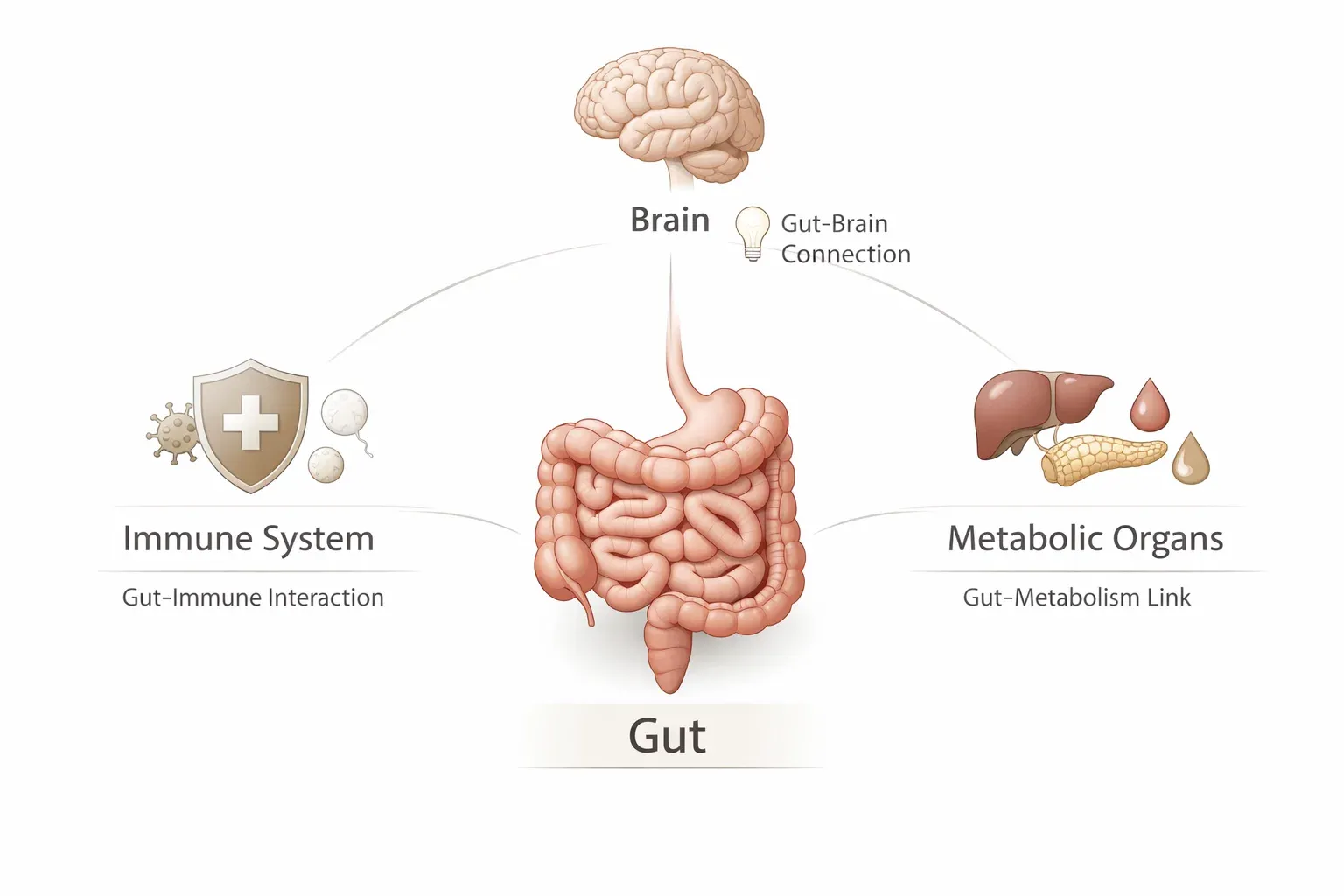
The gut and brain remain in constant communication through nerves, hormones, and chemical messengers—a relationship known as the gut–brain axis.
Disruptions in gut health have been associated with:
Increased sensitivity to stress
Mood fluctuations
Mental fatigue and brain fog
For this reason, digestive health and mental well-being should be viewed as interconnected systems rather than separate concerns.
Gut Health and Hormonal Balance
The digestive system also plays an indirect role in hormone regulation and metabolic processes. Stress-related hormones and energy regulation are influenced by digestive efficiency and inflammation levels.
When gut balance is consistently disrupted, it may:
Intensify stress responses
Interfere with normal energy regulation
Gut Health and Weight Management
Gut bacteria influence metabolism and inflammatory pathways. Research observations suggest that imbalances in gut bacteria may affect:
How efficiently the body processes energy
Inflammatory responses associated with weight regulation
For sustainable weight management, maintaining gut health serves as an important underlying foundation.
Signs and Symptoms of Poor Gut Health
Gut imbalance does not always appear only as digestive discomfort.
Digestive Symptoms
Frequent bloating
Excess gas
Constipation
Diarrhea
General digestive discomfort
Non-Digestive Symptoms
Persistent fatigue
Brain fog
Skin irritation or breakouts
Frequent illness
Mood changes
When these symptoms occur regularly, gut health should not be ignored.
Common Causes of Poor Gut Health

Low-Fiber, Highly Processed Diets
Ultra-processed foods are often low in fibre and do not adequately support beneficial gut bacteria. This dietary pattern has become increasingly common in the U.S.
Chronic Stress and Inadequate Sleep
Ongoing stress can slow digestion and disrupt microbial balance, while poor sleep interferes with gut recovery and natural rhythms.
Antibiotic and Medication Overuse
Antibiotics are sometimes necessary, but frequent or unnecessary use may reduce beneficial bacteria along with harmful ones, increasing the risk of imbalance.
Sedentary Lifestyle
Limited physical activity can negatively affect digestion and intestinal movement.
Irregular Eating Patterns
Skipping meals, late-night heavy eating, and inconsistent routines may disrupt the digestive system’s natural timing.
Foods That Support Gut Health Naturally
Fiber-Rich Foods
Dietary fiber serves as a primary fuel source for beneficial gut bacteria.
Common sources include:
Vegetables
Fruits
Whole grains
Legumes
A fiber-rich diet supports microbial diversity and digestive balance.
Fermented Foods
Fermented foods naturally contain beneficial microorganisms.
Examples include:
Yogurt
Kefir
Sauerkraut
Kimchi
These foods may support gut health when consumed in moderation and according to individual tolerance.
Prebiotic-Rich Foods
Prebiotics are foods that nourish beneficial gut bacteria.
Common sources include:
Garlic
Onions
Bananas
Oats
Supporting Microbial Diversity
Dietary variety plays one of the most important roles in gut health. Different plant-based foods support different bacterial strains, contributing to a more balanced microbiome—an approach consistently emphasized in long-term wellness strategies shared on platforms like Ecoshiftlife.
Gut Health Diet: What to Eat and What to Limit
Gut-Friendly Eating Principles
Balance
Variety
Consistency
Foods to Limit
Excess added sugars
Highly processed foods
Excessive alcohol intake
Rather than strict dietary rules, a flexible and sustainable eating pattern is more effective for long-term gut health.
Lifestyle Habits That Improve Gut Health
Stress Management
Mindfulness practices, breathing exercises, and relaxation techniques support the gut–brain connection.
Quality Sleep
Adequate sleep helps maintain healthy microbial rhythms and supports digestive recovery.
Physical Activity
Walking, stretching, and moderate exercise help stimulate digestion and intestinal movement.
Hydration
Proper hydration supports digestion and regular bowel movements.
Gut Health and Inflammation

An imbalanced gut may contribute to chronic inflammation, which has been linked to long-term health concerns.
Diet quality, fiber intake, stress management, and sleep all play important roles in supporting healthy inflammatory responses.
Gut Health and Bloating
Occasional bloating is normal. However, frequent bloating may be associated with:
Gut imbalance
Food sensitivities
Stress
Paying attention to recurring body signals is important for long-term digestive awareness.
How Long Does It Take to Improve Gut Health?
Improving gut health is a gradual process:
Short-term changes may appear within weeks
Long-term balance often develops over several months
Consistency remains the most important factor.
Common Myths About Gut Health
Gut health improves overnight ❌
Everyone needs supplements ❌
Gut health only affects digestion ❌
When to Seek Medical Advice
Consult a qualified healthcare professional if you experience:
Severe or persistent abdominal pain
Blood in stool
Unexplained weight loss
Chronic digestive symptoms
Final Thoughts
Gut health is not a quick fix. It develops through consistent food choices, supportive lifestyle habits, and long-term balance.
When gut health becomes a priority, the body often responds positively over time—supporting resilience, comfort, and overall well-being.
Medical Disclaimer
This content is for informational purposes only and is not intended to diagnose, treat, or replace professional medical advice. Always consult a qualified healthcare provider for health-related concerns.
Frequently Asked Questions About Gut Health
What is the fastest natural way to improve gut health?
Balanced nutrition, adequate fiber intake, stress management, and quality sleep support gradual improvement.
Can gut health affect mental well-being?
Yes, the gut–brain connection may influence mood and stress response.
Are probiotics necessary for everyone?
No. Individual needs vary, and not everyone requires supplements.