
Table of Contents
ToggleHygienic Life: Your Path to Wellness and Clean Living
Key takeaways
- A hygienic life covers personal, food, home, and environmental cleanliness — all of which help prevent illness.
- Simple daily habits like handwashing, oral care, and clean food prep lower your risk of infections.
- Good hygiene also supports mental clarity, confidence, and overall quality of life.
- Build it with a consistent daily routine and the right products.
Living a hygienic life is about more than staying clean — it’s a lifestyle that supports physical, mental, and emotional well-being. With healthy habits, you can prevent illness, boost your confidence, and improve your overall quality of life.
This guide explains why hygiene matters, gives practical tips to stay clean, and shows how it affects your daily routine. Since food hygiene directly impacts digestion, it pairs naturally with our gut health guide.

What Is a Hygienic Life?
A hygienic life revolves around choices that minimize the spread of germs and keep your environment clean. It spans personal hygiene, food hygiene, home cleanliness, and environmental hygiene — protecting both your health and your community.
Why a Hygienic Life Matters
- Prevents illness — handwashing, sanitizing surfaces, and clean spaces lower the risk of colds, flu, and foodborne illness.
- Boosts confidence — feeling clean and fresh helps you face social and professional situations with ease.
- Improves mental well-being — a clean, organized space reduces stress and promotes clarity.
- Improves quality of life — better health means a more productive, fulfilling day-to-day.
Key Areas of a Hygienic Life
| Area | Key Habits |
|---|---|
| Personal | Handwashing, oral care, showering, clean clothes |
| Food | Wash produce, cook properly, avoid cross-contamination |
| Home | Clean kitchen and bathroom, change linens, manage waste |
| Environmental | Dispose of waste responsibly, conserve water, reduce plastic |
Personal Hygiene
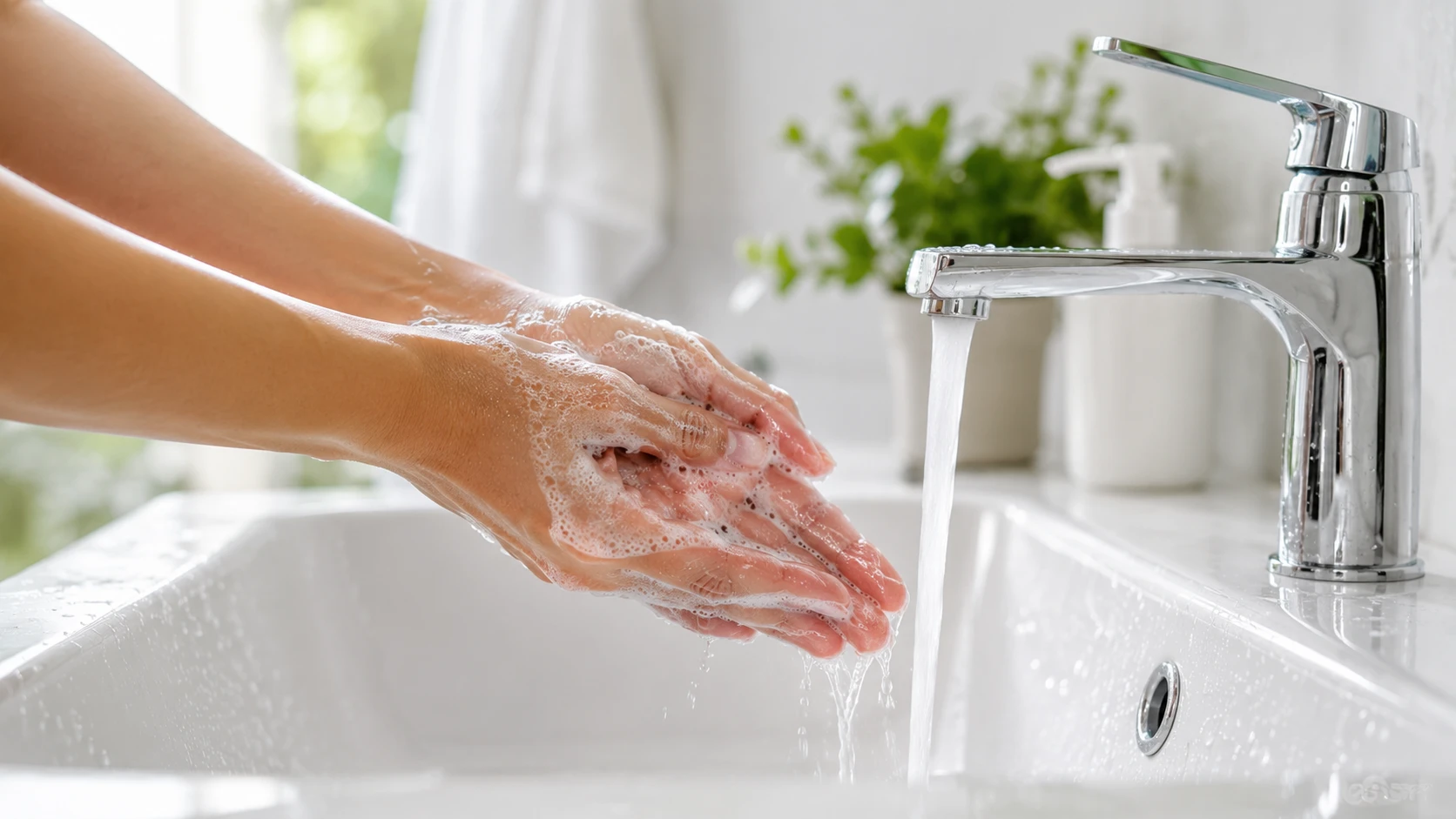
- Hand hygiene: wash with soap and water for at least 20 seconds, especially before meals and after the restroom.
- Oral hygiene: brush twice daily, floss, and visit the dentist regularly.
- Body hygiene: shower daily, trim nails, and wear clean clothes.
- Hair care: wash regularly and keep a clean scalp.
Tip: keep a small hand sanitizer and tissues for on-the-go cleanliness.
Food Hygiene
-
Safe food handling protects your digestion and prevents foodborne illness:
- Wash fruits and vegetables thoroughly before eating.
- Store perishables at the right temperature.
- Cook food to safe temperatures to kill harmful bacteria.
- Avoid cross-contamination by using separate utensils and color-coded cutting boards for raw meat and vegetables.
Clean food habits directly support a healthy gut and a balanced diet.
Home Hygiene

- Kitchen: clean counters, wash dishes promptly, disinfect surfaces.
- Bathroom: regularly clean toilets, sinks, and showers with disinfectant.
- Bedroom: change bed linens weekly and vacuum to remove dust.
- Waste: dispose of garbage daily and separate recyclables.
Practical Tips for Maintaining Hygiene
- Create a daily routine: start the day with brushing and showering; schedule weekly tasks like laundry and dusting.
- Use the right products: antibacterial soaps and eco-friendly cleaning supplies.
- Declutter and organize: keep spaces tidy to minimize dust and germs.
- Educate your household: teach kids good hygiene habits early.
Common Hygiene Myths
- “Hand sanitizer replaces handwashing.” Sanitizers kill germs, but soap and water remove dirt and grease more thoroughly.
- “A quick rinse is enough for produce.” Fruits and vegetables should be scrubbed under running water.
- “Cleaning once a week is enough.” High-touch surfaces like doorknobs and counters need daily cleaning.
Frequently Asked Questions
Why is a hygienic life important for well-being?
It prevents disease, supports physical and mental health, and boosts confidence by keeping germs and clutter in check.
What are the key elements of a hygienic lifestyle?
Personal hygiene, food hygiene, home cleanliness, and environmental hygiene.
How do home and food hygiene affect health?
They reduce exposure to harmful bacteria, lowering the risk of infections and foodborne illness.
How do I build good hygiene habits?
Start small — wash hands more often, declutter one space at a time — and turn them into a daily routine.
Final Thoughts
A hygienic life is a foundation for lasting wellness. With consistent personal, food, home, and environmental habits, you protect your health, sharpen your mind, and improve your quality of life. Start with small changes today, stay consistent, and clean living becomes second nature.
Sources & References
1. CDC. When and How to Wash Your Hands. Centers for Disease Control and Prevention.
2. WHO. Clean hands protect against infection. World Health Organization.
3. NIH. Personal Hygiene. MedlinePlus.
→ medlineplus.gov/personalhygiene
4. NHS. Personal hygiene. National Health Service UK.