
Table of Contents
ToggleBalanced Diet: Key Components, Benefits & How to Build One (2026)
Key takeaways
- A balanced diet combines carbohydrates, protein, fats, vitamins, minerals, and water in the right proportions.
- It supports a healthy weight, steady energy, stronger immunity, and a lower risk of chronic disease.
- Build it by filling half your plate with fruits and vegetables, choosing whole grains, and limiting sugar and salt.
- Balance beats perfection — consistent, sensible choices matter more than strict rules.
A balanced diet is the foundation of good health. It’s the right combination of nutrient-rich foods your body needs to function well, maintain energy, and prevent chronic disease. In a world full of processed, convenient options, understanding what balanced eating actually looks like matters more than ever.
This guide breaks down what a balanced diet is, its key components, the benefits it brings, and how to build one into your everyday life — without strict rules or giving up the foods you enjoy.
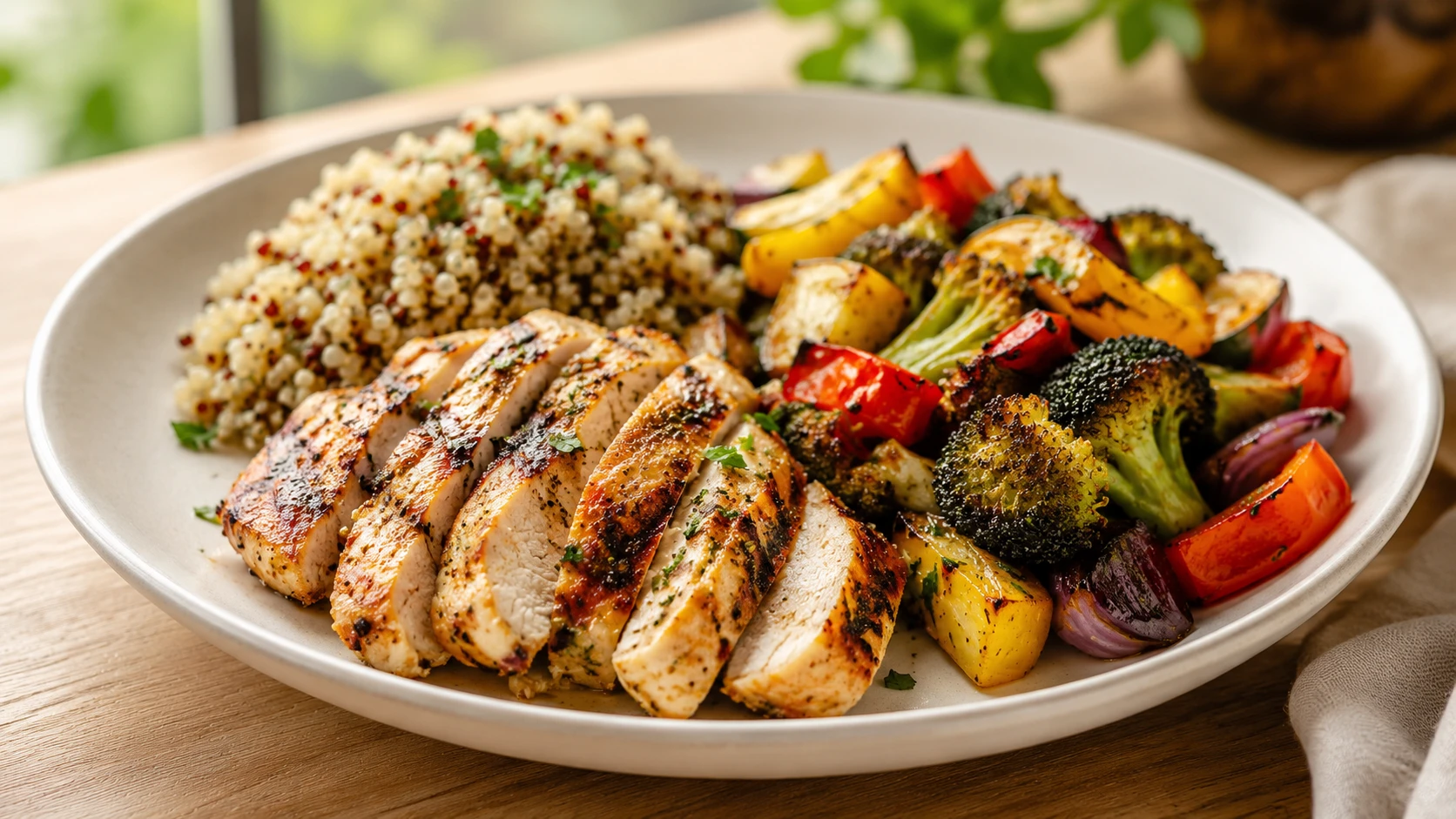
What Is a Balanced Diet?
A balanced diet means eating a variety of foods in the right proportions to give your body all the nutrients it needs. A proper balance of carbohydrates, proteins, fats, vitamins, minerals, and water ensures your body functions at its best.
It’s not just about eating different foods — it’s about getting the right amount of each nutrient consistently.
Key Components of a Balanced Diet
1. Carbohydrates (energy). Your body’s main energy source. Choose complex carbs — whole grains, vegetables, and fruit — over refined sugars for steady, long-lasting energy.
2. Proteins (growth and repair). Essential for muscle repair, immunity, and growth. Mix animal sources (lean meat, fish, eggs, dairy) and plant sources (beans, lentils, tofu, nuts).
3. Healthy fats (absorption and brain health). Choose unsaturated fats from olive oil, nuts, seeds, and fatty fish; keep saturated fats moderate.
4. Vitamins and minerals (regulation). Vitamin C for immunity, vitamin D and calcium for bones, and more — found in fruits, vegetables, and dairy.
5. Water (hydration). Supports digestion, nutrient transport, and temperature control. Aim for at least 8 cups a day, more if you’re active.
Components at a Glance
| Component | Function | Food Examples |
|---|---|---|
| Carbohydrates | Energy source | Whole grains, fruits, vegetables |
| Proteins | Repair and muscle growth | Fish, poultry, beans, lentils, tofu |
| Fats | Vitamin absorption, energy | Olive oil, nuts, seeds, fatty fish |
| Vitamins & Minerals | Immunity, bone strength | Citrus, leafy greens, dairy |
| Water | Hydration, digestion | Water, herbal teas, hydrating fruits |
How to Build a Balanced Diet
Building a balanced diet isn’t about restriction — it’s about smart, consistent choices:
- Fill half your plate with fruits and vegetables for fiber, vitamins, and minerals.
- Choose whole grains like brown rice, quinoa, and oats over refined grains.
- Include protein from a mix of animal and plant sources.
- Limit added sugar and salt to reduce chronic-disease risk.
- Use healthy fats in moderation — olive oil, nuts, avocado.
- Stay hydrated with at least 8 cups of water daily.
For exactly which foods to prioritize each day, see our guide on what foods to eat every day, and for a full daily routine, our daily diet plan.
The Benefits of a Balanced Diet
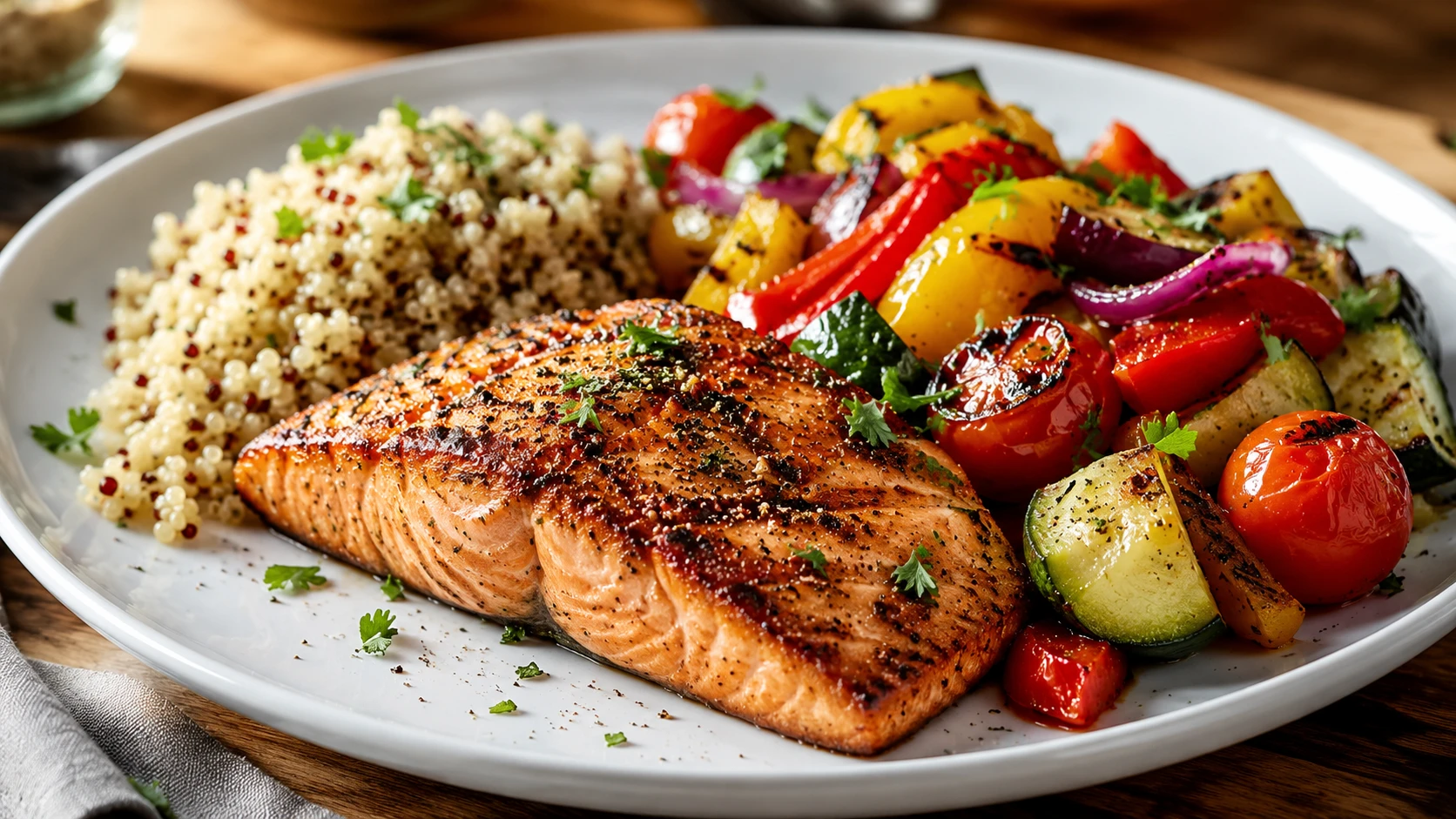
- Maintains a healthy weight by providing nutrients without excess calories.
- Boosts energy with a steady mix of whole grains, produce, and lean protein.
- Improves mental health — omega-3s, antioxidants, and B vitamins support brain function.
- Strengthens immunity with vitamins C and D and zinc.
- Reduces chronic-disease risk by helping regulate cholesterol, blood sugar, and blood pressure.
A balanced diet also supports your gut — fiber-rich foods feed healthy bacteria, which you can read more about in our gut health guide.
Common Mistakes to Avoid
- Over-relying on supplements instead of real, whole foods.
- Ignoring portion sizes — even healthy foods add up.
- Overdoing healthy fats — they’re calorie-dense.
- Skipping meals, which often leads to overeating later.
Frequently Asked Questions
What is a balanced diet and why is it important?
It provides carbohydrates, proteins, fats, vitamins, minerals, and water in proper proportions to support energy, body functions, and disease prevention.
What are the main components of a balanced diet?
Complex carbohydrates, lean proteins, healthy fats, vitamins, minerals, and adequate water.
How do I start eating a balanced diet?
Fill your plate with fruits and vegetables, choose whole grains, include protein, limit sugar and salt, and drink enough water.
Can a balanced diet help with weight loss?
Yes — it supports a healthy weight while delivering steady energy and key nutrients, without extreme restriction.
Final Thoughts
A balanced diet is essential for long-term health and well-being.
By focusing on nutrient-dense foods, watching portion sizes, and staying hydrated, you support both body and mind.
Balance isn’t about perfection — it’s about consistent, sensible choices. Start today, and you’ll notice the difference in your energy, mood, and overall health.
Sources & References
1. WHO. Healthy diet fact sheet. World Health Organization. 2020.
2. Hall KD, Kahan S. Maintenance of Lost Weight and Long-Term Management of Obesity. Med Clin North Am. 2018;102(1):183–197.
→ pubmed.ncbi.nlm.nih.gov/29156185
3. NIH. Healthy Eating Plan. National Heart, Lung, and Blood Institute.
4. USDA. What is MyPlate? ChooseMyPlate.gov.