
Table of Contents
ToggleBenefits of Drinking Ryze Coffee Daily: Pros, Cons, and Is It Worth It?
Key takeaways
- Ryze is a mushroom coffee blend (Arabica + lion's mane, cordyceps, reishi, chaga, and more) with less caffeine than regular coffee.
- Many users report steadier energy, focus, and gentler digestion — though mushroom research is still emerging.
- Downsides include an earthy taste, a higher price, lower caffeine, and it's not suitable for those with mushroom allergies.
- It can be a reasonable swap for a gentler coffee, but it isn't a miracle cure.
Mushroom coffee has become a popular, gentler alternative to regular coffee — and Ryze is one of the brands leading that movement. It blends Arabica coffee with adaptogenic mushrooms, aiming to give you energy with fewer jitters.
But is the hype justified? This honest review covers what’s actually in Ryze, its potential benefits and real drawbacks, how it compares to regular coffee, and whether drinking it daily is worth it. As always, it pairs well with a steady daily diet rather than replacing real, balanced meals.

What Is Ryze Coffee?
Ryze is a coffee blend made from premium Arabica beans combined with organic functional mushrooms such as lion’s mane, cordyceps, reishi, and chaga. Compared with regular coffee — which can cause jitters and a crash — Ryze is marketed as offering steadier energy with about half the caffeine. For people who want a gentler daily coffee, it’s an appealing swap.
What's Inside Ryze (and What Each Ingredient May Do)
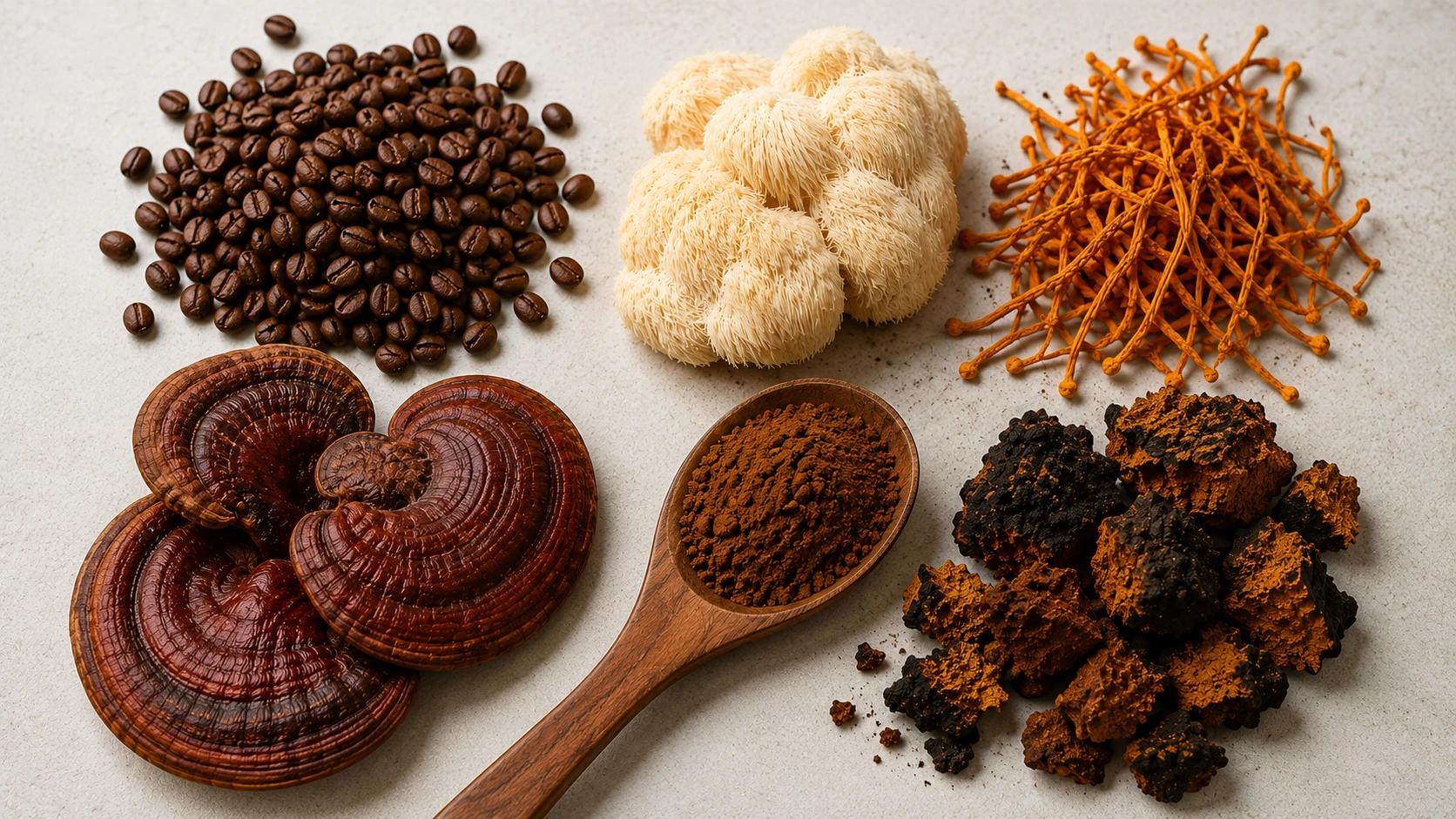
- Lion’s mane — often linked with focus and memory; some early research suggests it may support cognitive function.
- Cordyceps — traditionally used for endurance and energy.
- Reishi — an adaptogen many use to help manage everyday stress.
- Chaga — rich in antioxidants that help combat free radicals.
- Shiitake & turkey tail — often included for digestion and gut support.
- Arabica coffee — provides the familiar coffee taste with less caffeine.
Note: research on functional mushrooms is still emerging, and individual results vary.
Potential Benefits of Drinking Ryze Daily
- Steadier energy, fewer jitters — the lower caffeine plus cordyceps may give a smoother lift than regular coffee, without the same crash.
- Focus and mental clarity — lion’s mane is the ingredient most often associated with concentration.
- Gentler on the stomach — many people who find regular coffee acidic report Ryze is easier to tolerate.
- Antioxidant support — chaga and reishi contribute antioxidants that may support overall wellness.
- Stress support — reishi is a popular adaptogen for managing day-to-day stress.
These are commonly reported experiences rather than guaranteed outcomes — your results may differ. For more on the gut-friendly angle, see our gut health guide.
Potential Drawbacks of Ryze Coffee
- Acquired taste — the mushroom blend gives it an earthy, slightly nutty flavor that takes getting used to.
- Lower caffeine — great for the caffeine-sensitive, but heavy coffee drinkers may find it isn’t strong enough.
- Higher price — premium ingredients mean it costs more than regular coffee.
- Allergy risk — anyone with a mushroom allergy should avoid it, and check with a doctor if you have any underlying condition.
Ryze vs Regular Coffee: At a Glance
| Pros | Cons | |
|---|---|---|
| Ryze | Smoother energy, less acidity, antioxidants, lower caffeine | Earthy taste, pricier, not for mushroom allergies |
| Regular Coffee | Familiar taste, stronger caffeine, cheaper | Jitters, afternoon crash, can be acidic |
How to Make Ryze Coffee

- Whisk one scoop (or sachet) of Ryze powder into 8–10 oz of hot water.
- Stir well until fully dissolved.
- Add flavor if you like — cinnamon, a little honey, almond milk, or coconut milk.
Tip: you can also blend Ryze into a protein shake or smoothie for an extra boost.
Is Ryze Coffee Worth It?
If you want a gentler, less acidic coffee with steadier energy and a focus boost, Ryze is worth trying — especially if regular coffee leaves you jittery or upsets your stomach.
It may not fully replace a strong cup for hardcore coffee lovers, and it costs more, but many users feel the smoother experience is worth it. Treat it as a nice daily upgrade, not a cure-all.
Frequently Asked Questions
Is Ryze Coffee good for daily use?
For most healthy adults, yes — it’s designed for daily drinking. Check with your doctor if you have a health condition.
Is Ryze keto-friendly?
Yes — it’s generally gluten-free and dairy-free, so it fits many diets, including keto.
Does Ryze contain artificial additives?
It’s made with organic ingredients and no artificial sweeteners or preservatives.
Where can you buy Ryze Coffee?
Directly from the brand’s website or on major online retailers.
Final Thoughts
Ryze offers a more balanced, gentler alternative to regular coffee. Its blend of Arabica and adaptogenic mushrooms may give steadier energy, smoother focus, and easier digestion without the typical caffeine crash.
If you’re after a healthier daily coffee — and you don’t have a mushroom allergy — it’s a reasonable addition to your routine.
Just keep expectations realistic: it’s a better cup of coffee, not a miracle.
Sources & References
1. Cheung WMW, et al. Medicinal mushrooms: bioactive compounds, use, and clinical trials. Int J Mol Sci. 2021;22(4):1726.
→ pubmed.ncbi.nlm.nih.gov/33572139
2. Mori K, et al. Improving effects of Lion’s Mane mushroom on mild cognitive impairment. Phytother Res. 2009;23(3):367–372.
→ pubmed.ncbi.nlm.nih.gov/18844328
3. NIH. Caffeine. MedlinePlus Drug Information.
4. FDA. Spilling the Beans: How Much Caffeine is Too Much? U.S. Food & Drug Administration.
→ fda.gov