
Table of Contents
ToggleDaily Diet: Simple, Healthy, and Balanced Every Day
Key takeaways
- A balanced daily diet gives you steady energy, sharper focus, and fewer afternoon crashes.
- Build each day around lean protein, complex carbs, healthy fats, fiber, and plenty of water.
- Adjust portions and foods to your age and goals — weight loss, muscle gain, skin, or immunity.
- Sustainable habits like meal prep, mindful eating, and smart swaps beat short-term perfection.
Let’s be honest — most of us have felt that energy crash that hits right when we need to focus. For me, it used to happen after lunch. I’d eat a big greasy meal, feel great for ten minutes, then struggle to keep my eyes open at my desk. It wasn’t until I looked at my daily diet that I realized what I ate was draining my energy more than my workload ever did.
A balanced daily diet isn’t about strict rules or giving up your favorite treats. It’s about fueling your body so you feel good — not drained, bloated, or craving junk an hour later. Let’s unpack exactly how to build a daily diet that works for your routine and goals. For the bigger picture, start with our pillar on building a balanced diet.
Why a Balanced Daily Diet Matters
Think of your body like a car — you wouldn’t pour the wrong fuel in and expect a smooth ride. A balanced daily diet gives your body what it needs to repair cells, support immunity, sharpen focus, and wake up with real energy.
The key nutrients:
- Proteins — building blocks for muscles, skin, and hair (eggs, fish, lean meat, tofu, beans, Greek yogurt).
- Carbs — your brain’s main fuel; choose slow-digesting ones (oats, quinoa, sweet potatoes, whole-grain bread).
- Healthy fats — for hormones and satisfaction (nuts, seeds, olive oil, avocado, salmon).
- Vitamins & minerals — from fresh fruits, vegetables, nuts, and seeds.
- Fiber & water — for digestion (whole grains, fruits, veggies, beans, plus plain water).
Your Daily Diet Blueprint (One Size Doesn't Fit All)
- Teenagers (13–19): growing fast, so they need extra protein and calories — big breakfasts (oatmeal with nuts, or eggs and toast), hearty lunches, and healthy snacks (fruit, yogurt, nuts).
- Adults (20–50): peak hustle. Men often need more protein and carbs for energy; women may focus more on iron (spinach, beans, lean meat) and healthy fats for hormonal balance.
- Older adults (60+): metabolism slows and digestion gets sensitive — soft, easy-to-digest foods like soups, stews, well-cooked vegetables, and yogurt work best.
- Kids (4–12): constantly burning energy — milk or alternatives, eggs, fruit, nuts (if no allergies), and home-cooked meals rich in vegetables and grains.
A Real-Life Daily Routine: A Day on My Plate
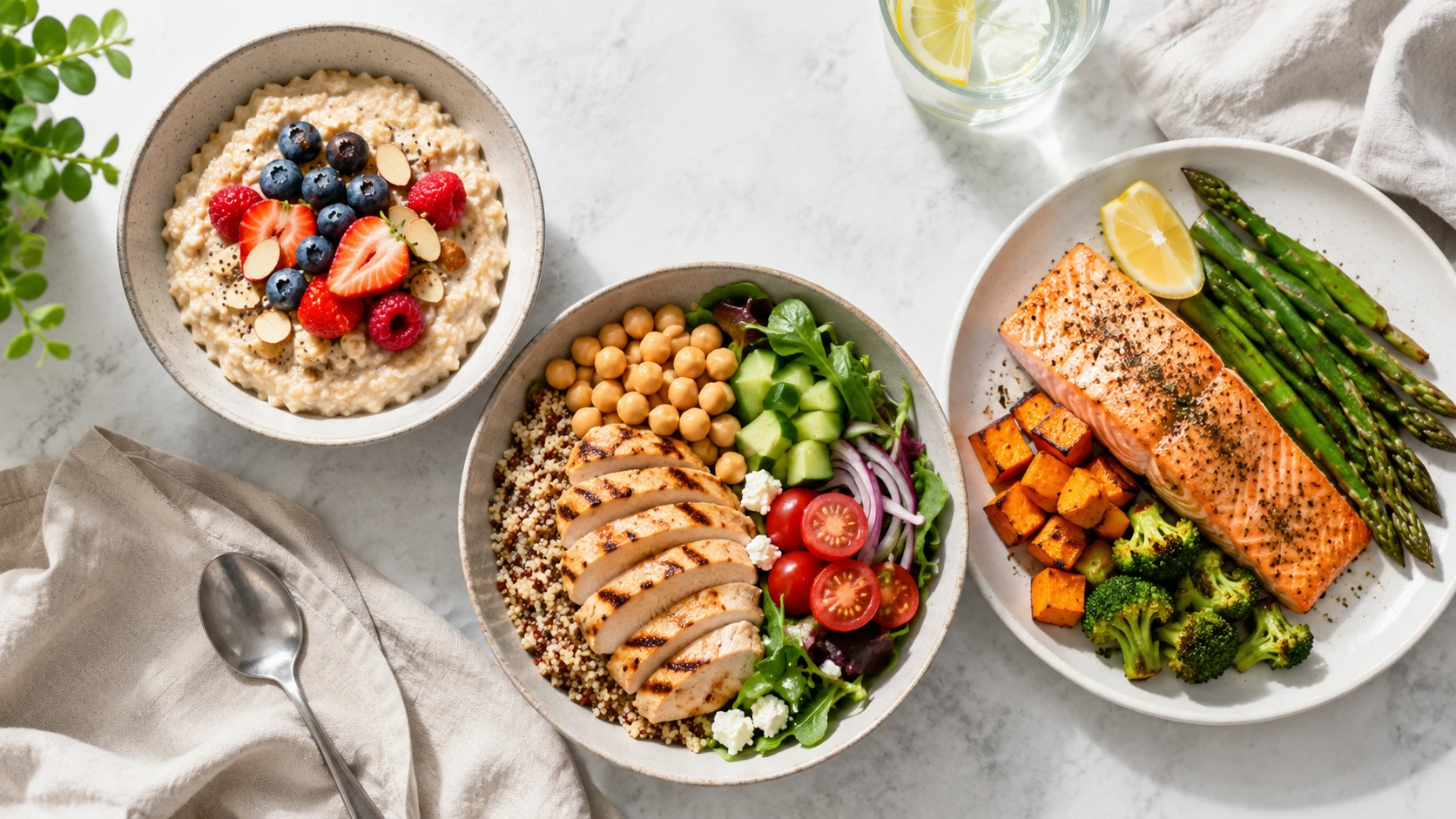
7–9 AM — Morning fuel: oatmeal with chopped apple and walnuts, or two eggs with whole-grain toast. A big glass of water with a squeeze of lemon.
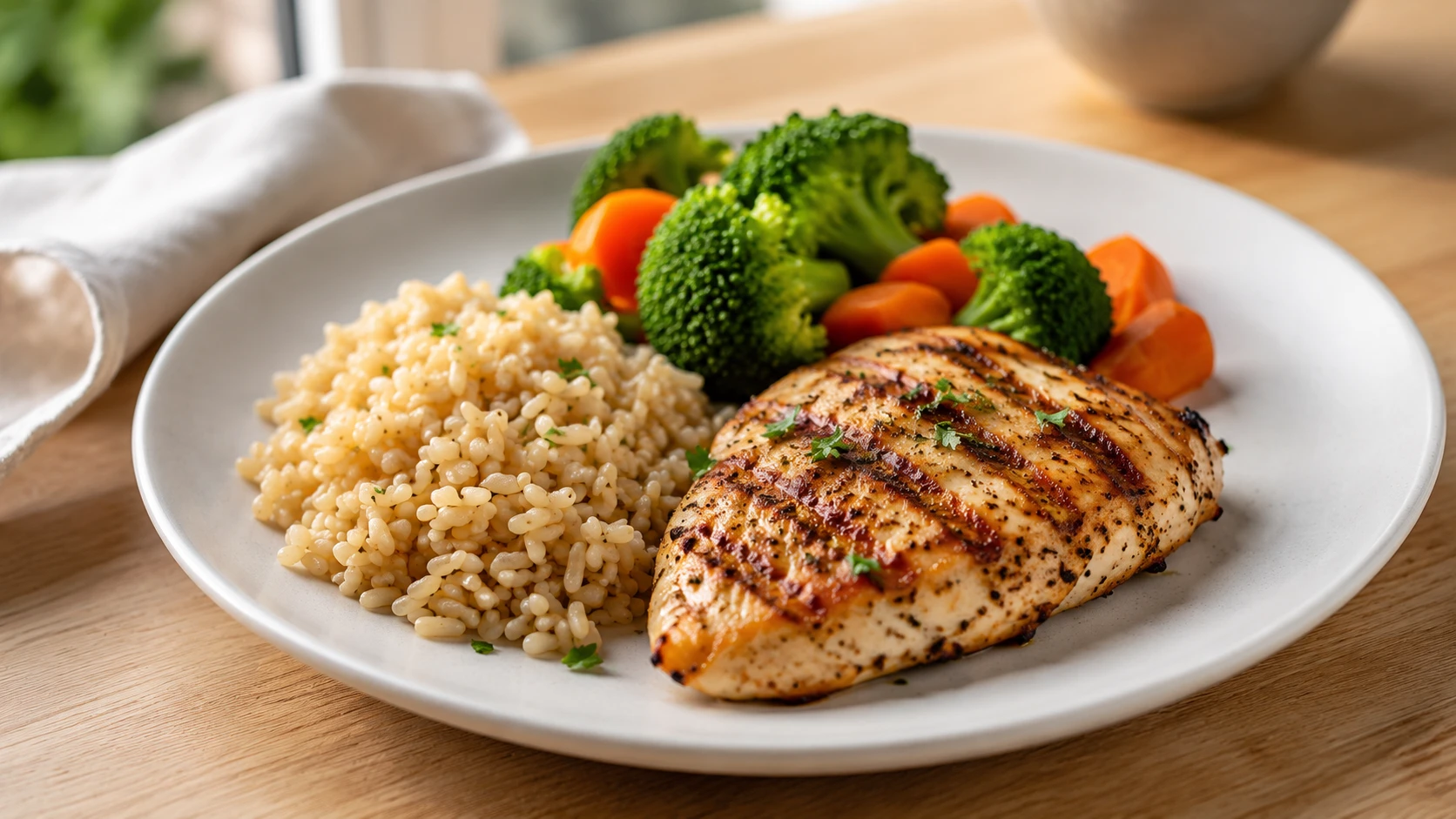
12–2 PM — Midday power: brown rice or a whole-grain wrap with grilled chicken or fish, plus a side salad or plain Greek yogurt.
4 PM — Snack o’clock: a handful of roasted chickpeas or almonds with green tea, and a small piece of dark chocolate or some fruit.
6–8 PM — Dinner done right: lentil soup with sautéed vegetables, or grilled salmon with quinoa and roasted broccoli.
Before bed: warm golden milk (turmeric latte) or herbal tea if my stomach feels heavy.
Tweak It: Daily Diet for Specific Goals
- Weight loss: a slight calorie deficit (never starve), protein focus to stay full, ditch soda and sugary drinks, and drink water before meals.
- Muscle gain: protein at every meal (eggs, chicken, tofu), good fats (nut butter, almonds), and a post-workout protein shake if you lift.
- Glowing skin: antioxidants (berries, citrus), omega-3s (salmon, flaxseed, walnuts), and steady hydration.
- Immunity: golden milk or ginger and garlic in cooking, vitamin C (oranges, lemons), and probiotics (yogurt, kefir, sauerkraut).
For the specific foods to prioritize daily, see what foods to eat every day.
Diverse Choices: Veg, Vegan, Mediterranean, and More
- Vegetarian daily plan: veggie omelet or oatmeal · chickpea salad or veggie stir-fry · bean chili or a quinoa-vegetable bowl.
- Vegan daily plan: smoothie bowl with seeds and nut butter · tofu stir-fry or chickpea salad · coconut-milk curry with brown rice.
- Mediterranean: olives, hummus, grilled fish, vegetables drizzled with olive oil, and whole-grain pita.
- Keto: eggs, cheese, avocado, and low-carb vegetables — very low carb, high healthy fat.
Build Good Habits That Stick
- Mindful eating: put your phone down and actually taste your food.
- Portion control: use smaller bowls if you tend to over-serve.
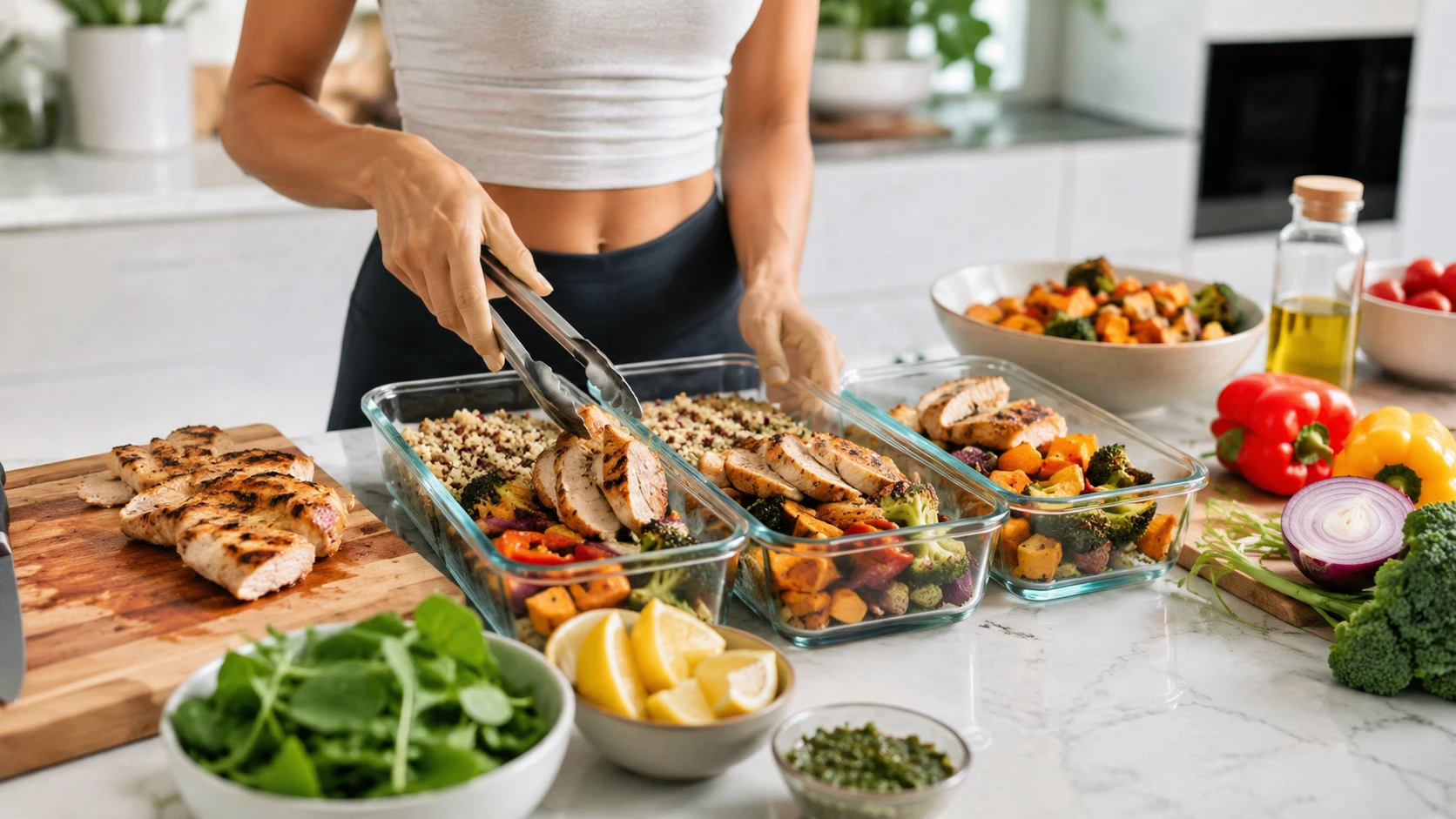
- Meal prep: batch-cook grains and proteins so you’re not ordering takeout at midnight.
- Smart swaps: lemon water for soda, nuts for chips, brown rice for white.
- Consistency is king: one off-meal won’t ruin you — steady habits make the difference.
Everyday Nutrient Powerhouses
| Food | Key Nutrients | Benefits |
|---|---|---|
| Spinach | Vitamin K, A, folate, iron | Supports blood, eyes, and immunity |
| Salmon | Omega-3, vitamin D, B12 | Boosts brain and heart health |
| Eggs | Protein, choline, B12 | Muscle building and brain support |
| Greek Yogurt | Calcium, probiotics, B12 | Supports gut and bone health |
| Almonds | Vitamin E, magnesium, fiber | Heart-friendly, steady energy |
| Sweet Potato | Vitamin A, C, potassium | Slow-release energy, immunity |
| Oats | Fiber, iron, magnesium | Lowers cholesterol, steady energy |
| Broccoli | Vitamin C, K, folate | Immune support and detoxification |
Frequently Asked Questions
When should I eat breakfast?
Between 7–9 AM. A solid breakfast keeps you from random snacking later.
Do I need supplements?
If your daily diet is diverse and colorful, probably not — but check with your doctor if your energy feels low.
How much water is enough?
Aim for 2–3 liters, adjusting for weather and activity.
Should I skip dinner to lose weight?
No — eat a light, early dinner instead. It helps digestion and sleep.
Final Thoughts
A healthy daily diet isn’t about perfection — it’s about steady, smart choices that add up. Fuel your body with mostly whole foods, listen to what makes you feel good, and build habits you can actually keep. One good choice at a time, day after day, is what builds lasting energy and health.
Sources & References
1. USDA & HHS. Dietary Guidelines for Americans 2020–2025. 9th Edition.
2. WHO. Healthy diet. World Health Organization fact sheet.
3. Harvard T.H. Chan. Healthy Eating Plate. The Nutrition Source.
4. NIH. Eating & Nutrition. MedlinePlus.