
Table of Contents
ToggleMy Honest Dukan Diet Experience: Does It Actually Work?
Key takeaways
- This is a first-hand review of what the Dukan Diet is really like — the wins, the struggles, and the honest verdict.
- The fast early results are real and motivating, but the first few days are the hardest part.
- It works because high protein keeps you full, so you eat less without counting calories.
- It's a genuinely useful tool for many people — but not for everyone, and never a magic fix..
I’ve tried more diets than I’d like to admit — the crash ones, the “eat nothing but soup” ones, the apps that made me weigh every almond. Most left me hungry, cranky, and right back where I started. So when a friend swore by the Dukan Diet, my first reaction was an eye-roll: another miracle?
This isn’t a textbook explainer — there are plenty of those. This is my honest, lived experience: what the Dukan Diet actually felt like, what surprised me, what I struggled with, and whether I’d recommend it. If you want the exact day-by-day food plan, that’s in our Dukan Diet 7-day meal plan — here, I’m telling you what it’s really like to live it.
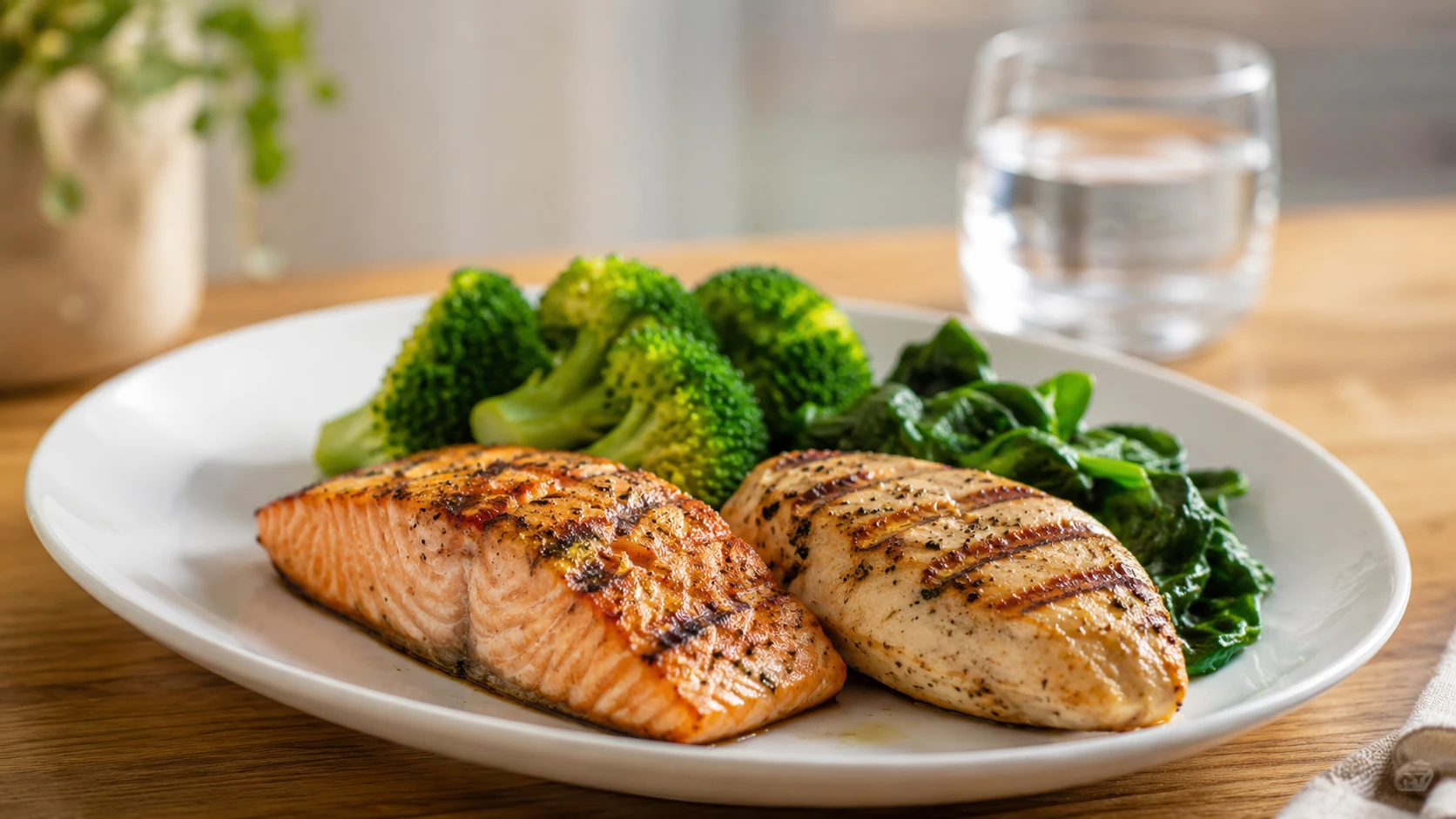
Where I Started (and Why I Tried It)
I wasn’t looking for a six-pack — I wanted to feel less sluggish, stop the afternoon energy crashes, and fit back into clothes I’d quietly retired. I’d regained weight after a stressful year, and the “just eat less” advice clearly wasn’t sticking. What pulled me toward the Dukan Diet was the structure: instead of vague rules, it gave me a clear phase-by-phase roadmap (briefly: a high-protein start, then vegetables added back, then a careful return to normal eating). I didn’t have to think — just follow.
What Worked Well for Me
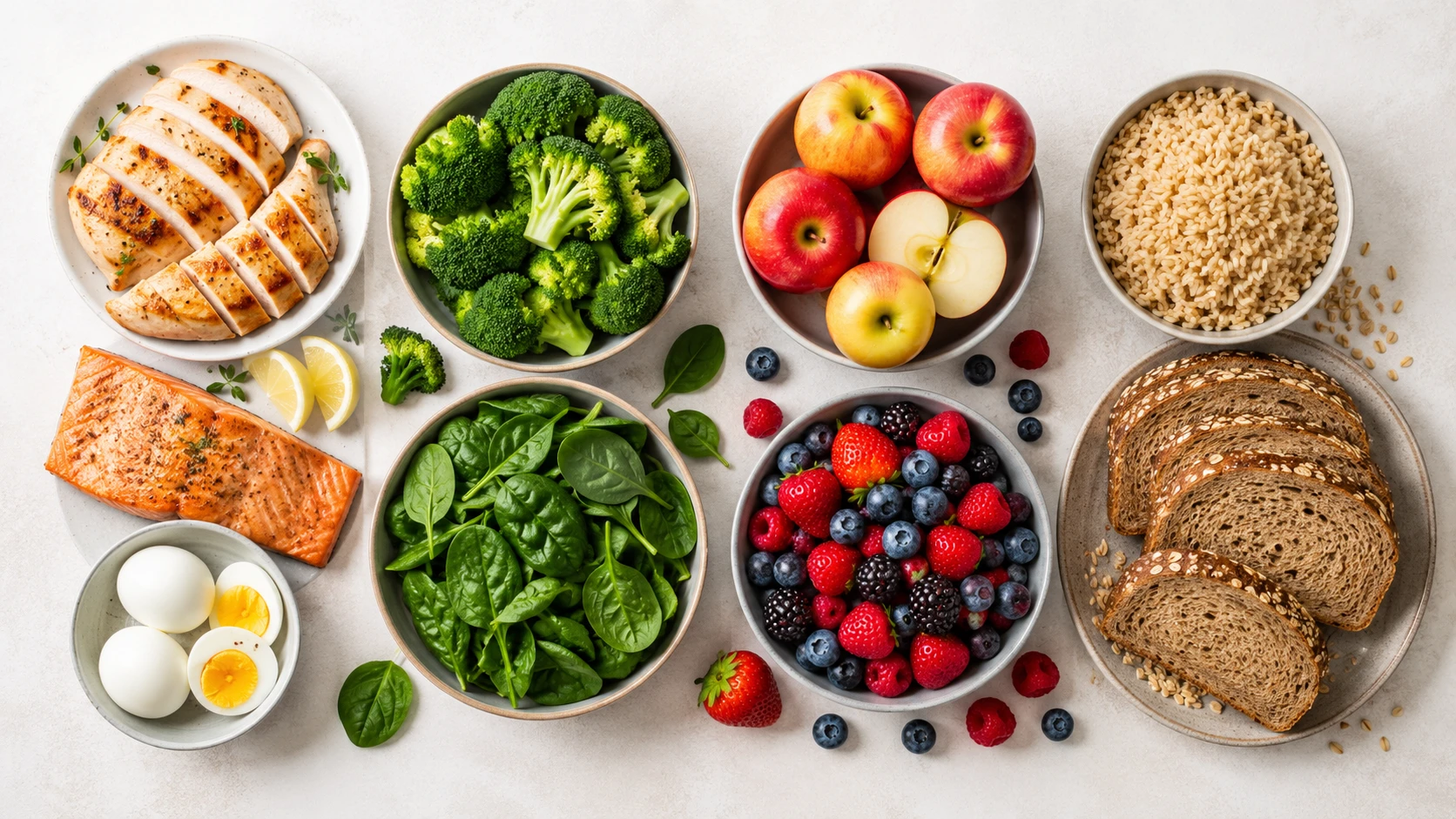
- No calorie math. I just followed the food list instead of logging every bite — a huge mental relief.
- Real fullness. Protein digests slowly, so I wasn’t hunting for snacks every two hours.
- Fast, visible results. The early momentum kept me committed when willpower was low.
- Simple structure. Knowing exactly what to eat removed daily decision fatigue.
- Kept my energy for workouts. Once past the first few days, I had enough to keep up daily walks.
What Was Hard (and What I'd Warn You About)
- The first few days are tough — plan for low energy and don’t schedule anything stressful.
- It gets repetitive — I had to get creative with spices and herbs to avoid food boredom.
- Constipation is real if you skip water and oat bran — don’t skip them.
- It’s restrictive early on — social dinners during the strict phase took willpower.
- It is NOT for everyone — if you have kidney issues or any medical condition, this high-protein approach can be risky. Talk to a doctor first.
The Science: Why It Actually Works
My experience lines up with what research says about high-protein, lower-carb eating:
- Protein increases satiety, so people naturally eat fewer calories without trying.
- Cutting refined carbs reduces the blood-sugar spikes that trigger more cravings.
- Higher protein helps preserve muscle during weight loss, and muscle keeps your metabolism more active.
So it’s not magic — it’s a structured way to eat more protein, fewer refined carbs, and stay full. For the complete food breakdown by phase, see our Dukan Diet food list.
Is the Dukan Diet Worth It? My Honest Verdict
| What I Loved | What to Watch For |
|---|---|
| Fast, motivating early results | Tough first few days (low energy) |
| No calorie counting | Can feel repetitive |
| Kept me genuinely full | Needs water + oat bran to avoid constipation |
| Clear, simple structure | Not safe for kidney issues — see a doctor |
My verdict: worth trying if you want structure and fast early momentum, and you don’t have a health condition that rules out high protein. It’s not a forever-restrictive plan — the later phases are flexible, and the real win is the habits you build. Just go in with realistic expectations: it’s a useful tool, not a miracle.
Frequently Asked Questions (from my experience)
Was it really that hard?
Only the first 3–4 days. After that it got much easier as cravings faded.
Did you regain the weight afterward?
The later phases are built specifically to prevent rebound — sticking to one protein day a week and oat bran made maintenance realistic.
Could a vegetarian do this?
Yes, with plant proteins like tofu, tempeh, beans, and protein powder — though it takes more planning.
Would you recommend it to a friend?
Yes — with the caveat to check with a doctor first and to expect a tough first few days.
Final Thoughts
The Dukan Diet wasn’t magic, but it was the first structured plan that actually clicked for me. The fast start kept me motivated, the fullness made discipline doable, and the later phases taught me habits I still use. If you go in informed — water, oat bran, realistic expectations, and a doctor’s okay if you have any conditions — it can be a genuinely useful launchpad to a healthier routine.
Sources & References
1. Dukan P. The Dukan Diet: 2 Steps to Lose the Weight, 2 Steps to Keep It Off Forever. Crown Publishers; 2011.
→ PubMed: High-protein low-carb diet review
2. Sacks FM, et al. Comparison of Weight-Loss Diets with Different Compositions of Fat, Protein, and Carbohydrates. NEJM. 2009;360:859–873.
→ pubmed.ncbi.nlm.nih.gov/19246357
3. NIH. Choosing a Safe and Successful Weight-Loss Program. NIDDK.
4. CDC. Losing Weight — Tips for Success.