
Table of Contents
ToggleHealthy Sleep Habits: How to Sleep Better Naturally
Key takeaways
- Quality sleep is foundational for mood, focus, immunity, metabolism, and stress resilience.
- Most adults do best with 7–9 hours and a consistent sleep–wake schedule.
- A simple wind-down routine, a cool dark room, and limiting screens and caffeine make a big difference.
- If poor sleep persists despite good habits, it's worth talking to a healthcare provider.
We often treat sleep as the first thing to sacrifice when life gets busy — but it’s one of the most powerful tools for your health. Good sleep sharpens your focus, steadies your mood, strengthens your immune system, and helps your body recover.
The best part? Better sleep usually comes from better habits, not pills. This guide covers science-backed, natural ways to build healthy sleep habits and finally wake up feeling rested. Since sleep and stress are deeply linked, it pairs well with our guide on how to reduce stress naturally.
Why Sleep Matters So Much
Sleep isn’t “downtime” — your body and brain are hard at work. While you sleep, your brain consolidates memories, your body repairs tissue, and hormones that regulate hunger, stress, and mood get rebalanced. Consistently poor sleep is linked to:
- Low mood, irritability, and higher stress
- Poor focus and memory
- Weakened immunity
- Increased cravings and weight gain
In short, good sleep supports nearly every part of your health — including your happy hormones.
How Much Sleep Do You Actually Need?
Most adults do best with 7–9 hours per night. Quality matters as much as quantity — waking up frequently or sleeping at irregular times reduces the benefits even if total hours look fine. The goal is consistent, restful sleep, not just time in bed.
Your Sleep-Hygiene Checklist

| Do This | Why It Helps |
|---|---|
| Same sleep & wake time daily | Stabilizes your body clock |
| Cool, dark, quiet room | Signals the body it's time to sleep |
| No screens 30–60 min before bed | Reduces blue light that delays sleep |
| Limit caffeine after midday | Caffeine can linger for hours |
| Get morning sunlight | Sets a healthy circadian rhythm |
| Wind-down ritual | Calms the mind for rest |
1. Keep a Consistent Schedule
Going to bed and waking up at the same time every day — even on weekends — is the single most powerful sleep habit. It trains your internal clock, so falling asleep and waking up gradually become easier and more natural.
2. Build a Calming Wind-Down Routine
Give your brain a signal that the day is ending. In the 30–60 minutes before bed, dim the lights and do something relaxing — reading, gentle stretching, a warm shower, or a few minutes of slow breathing. A consistent ritual makes sleep feel automatic.
3. Optimise Your Bedroom
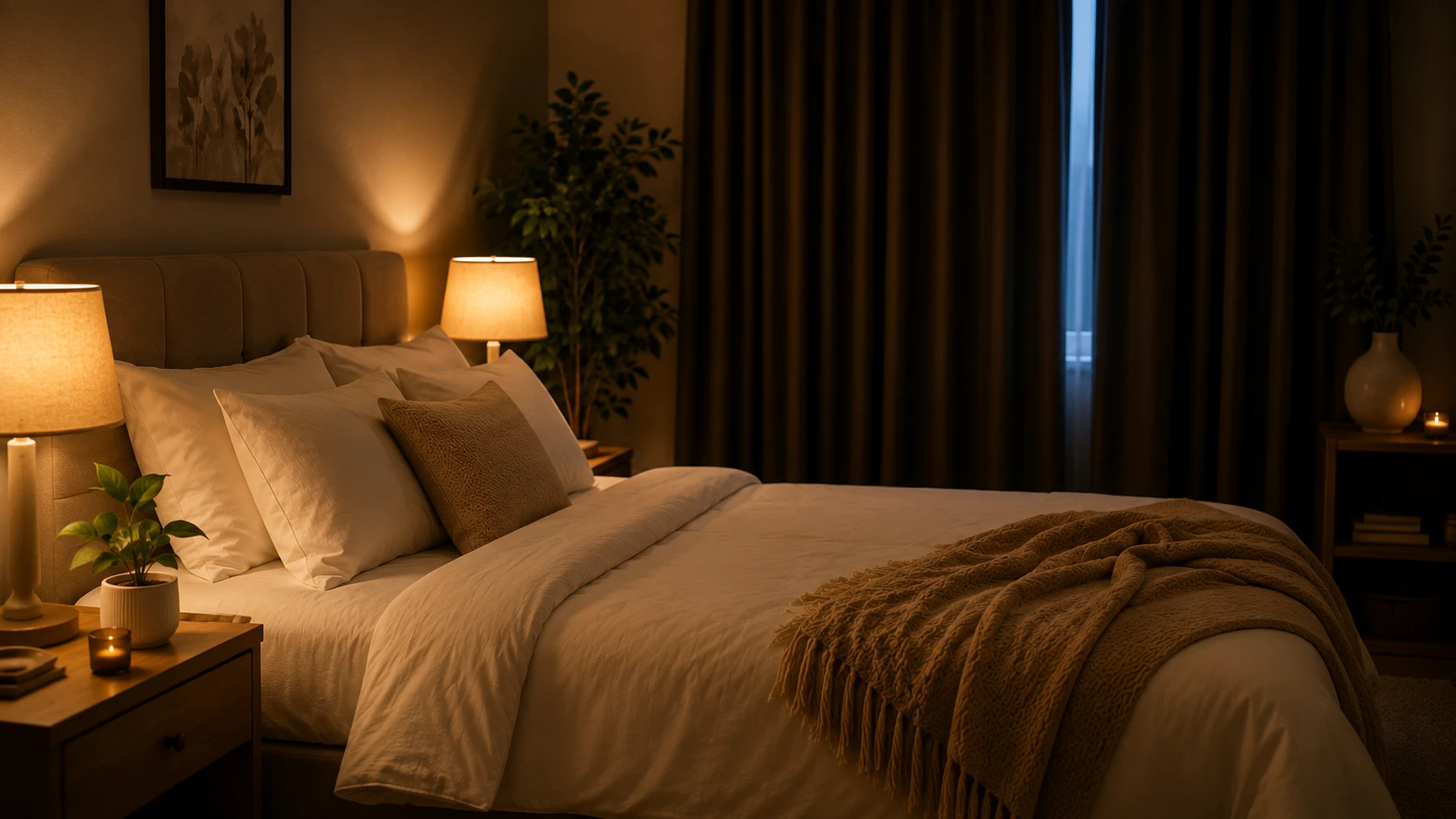
Your environment shapes your sleep. Aim for a room that’s cool, dark, and quiet: blackout curtains or an eye mask, a comfortable temperature, and earplugs or white noise if needed. Reserve your bed for sleep so your brain associates it with rest.
4. Watch Screens and Light at Night
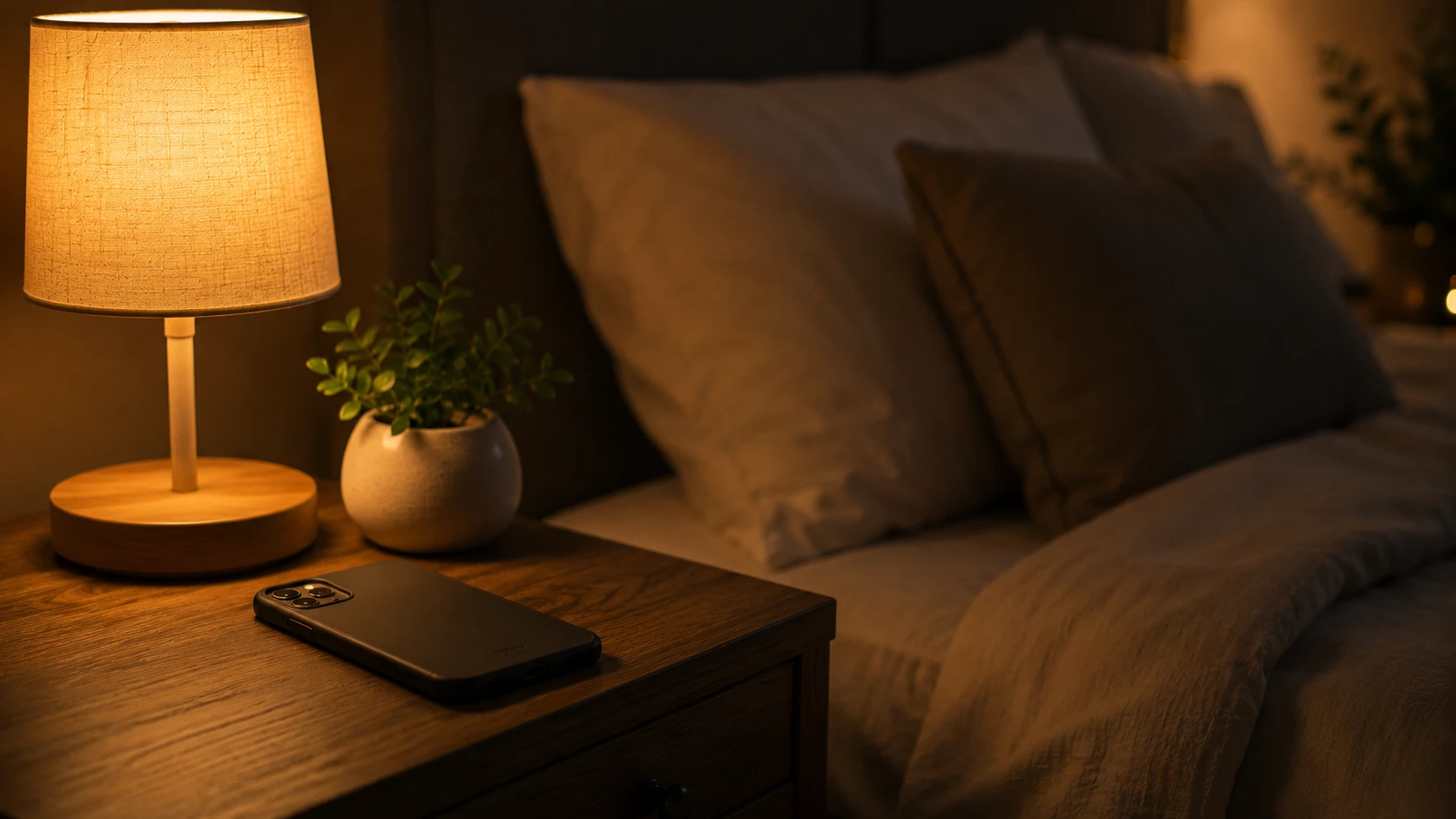
The blue light from phones, tablets, and TVs can delay your body’s natural sleep signals. Try to power down screens at least 30 minutes before bed. If you must use a device, switch to night mode and lower the brightness.
5. Mind Your Food, Caffeine, and Alcohol
- Caffeine can stay in your system for hours — keep it to the morning and early afternoon.
- Heavy late meals can disrupt sleep; eat dinner a few hours before bed.
- Alcohol may make you drowsy but fragments sleep later in the night.
Balanced nutrition supports better rest overall — see our balanced diet guide.
6. Manage Stress Before Bed
A racing mind is one of the biggest sleep blockers. Slow breathing, journaling your worries, or a short meditation can quiet your thoughts. For more tools, see how to reduce stress naturally.
When to Talk to a Doctor
If you consistently struggle to fall or stay asleep despite good habits, feel exhausted during the day, or snore loudly with pauses in breathing, it’s worth speaking to a healthcare provider. Ongoing sleep problems can have underlying causes worth checking — and effective help is available.
Frequently Asked Questions
How can I fall asleep faster naturally?
A consistent schedule, a screen-free wind-down, a cool dark room, and slow breathing are the most effective natural tools.
Is 6 hours of sleep enough?
Most adults need 7–9 hours; 6 may leave you under-rested over time.
Why do I wake up tired even after sleeping?
Irregular timing, screens, caffeine, alcohol, or poor sleep quality can all play a role.
Do naps help or hurt?
Short naps (20 minutes, early afternoon) can help; long or late naps may disrupt night sleep.
Final Thoughts
Better sleep isn’t a luxury — it’s the foundation of better health, mood, and energy. Start with one or two habits: a consistent bedtime, a calming wind-down, and fewer screens at night. Build from there, stay consistent, and you’ll likely notice you feel sharper, calmer, and more rested. If problems persist, don’t hesitate to seek professional help.
Sources & References
- CDC. Tips for Better Sleep. — cdc.gov/sleep
- NIH. Good Sleep for Good Health. News in Health. — newsinhealth.nih.gov
- Sleep Foundation. Sleep Hygiene. — sleepfoundation.org
- Harvard Health. Blue light has a dark side. — health.harvard.edu